




















Skip to content

William & Flora Hewlett Foundation · 1966 – 2026

Sixty years
of progress

A journey through six decades of helping people, communities, and nature thrive.

"For sixty years, the Hewlett Foundation has been dedicated to the well-being of society: protecting nature and supporting the people building a future where everyone can thrive. That work has never been more necessary."

Amber Miller — President, William and Flora Hewlett Foundation
1966
1976

Seeds of a lasting legacy

First gifts, lasting roots

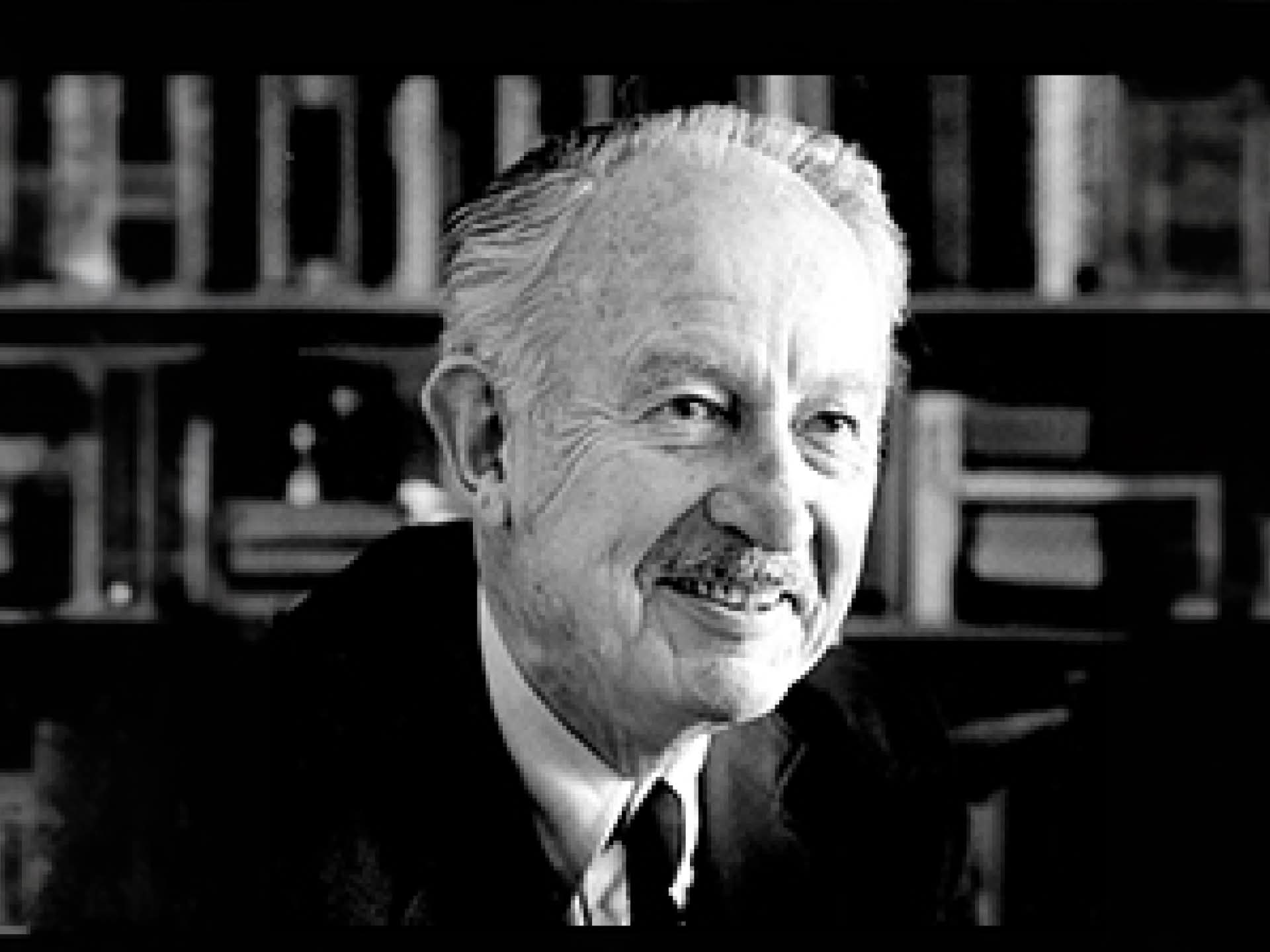
Bill and Flora Hewlett gave to what they loved, with the belief that thoughtful people, working together, could make life measurably better. In the foundation’s first decade, $15.3 million went to universities, arts organizations, conservation groups, and Bay Area communities.

From a living room to a lasting legacy

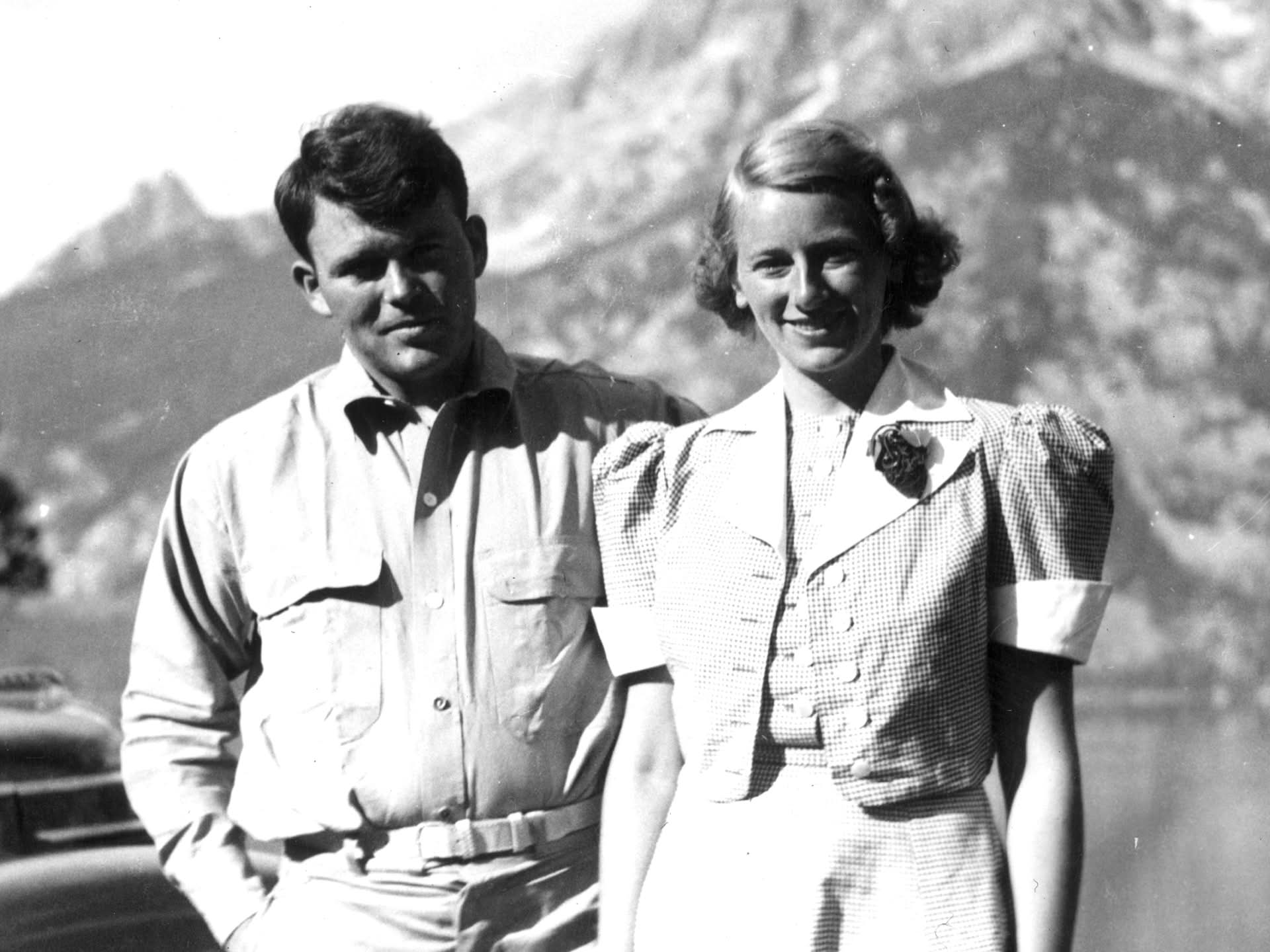
In 1966, Bill and Flora Hewlett launched their foundation out of their living room, with an aim to support the well-being of humankind. Sixty years later, their early support of education, environment, and the arts still define the foundation’s work.

See how it started
“

“Never stifle a generous impulse.”

Bill Hewlett

1967

The foundation’s first bets on a better future

The first year, $225,000 (equivalent to $2.2 million today) went to organizations Bill and Flora loved. Their passions are still reflected in what the foundation supports today.

$1,000

A $1,000 grant to Sempervirens in 1969 for the redwoods starts six decades of conservation

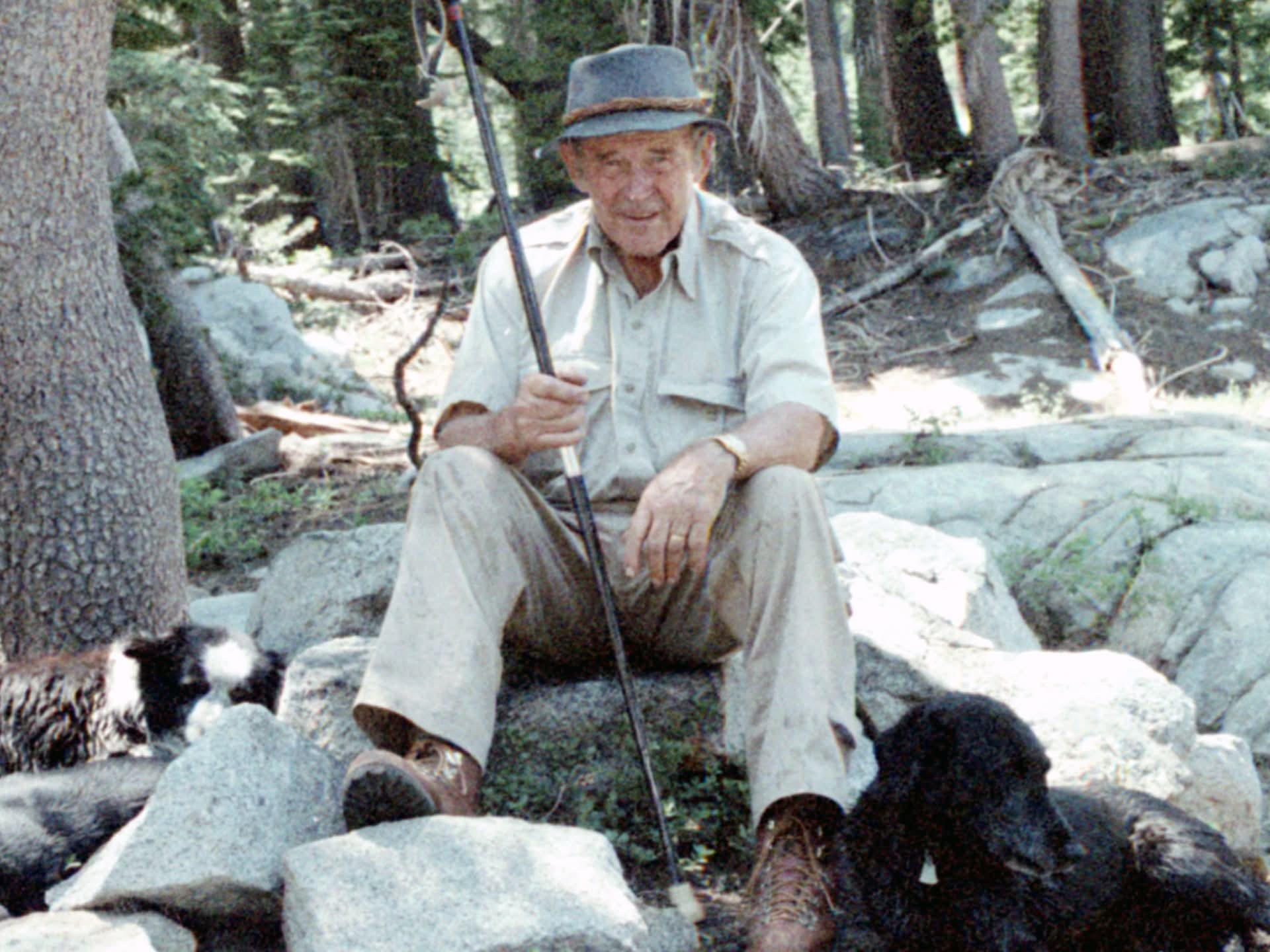
The foundation's first conservation grant was personal. Bill hiked and photographed nature his whole life. Flora's father co-founded Save the Redwoods League. Early environmental support grew from their love of the American West and continues today.

1969

A belief in civic engagement

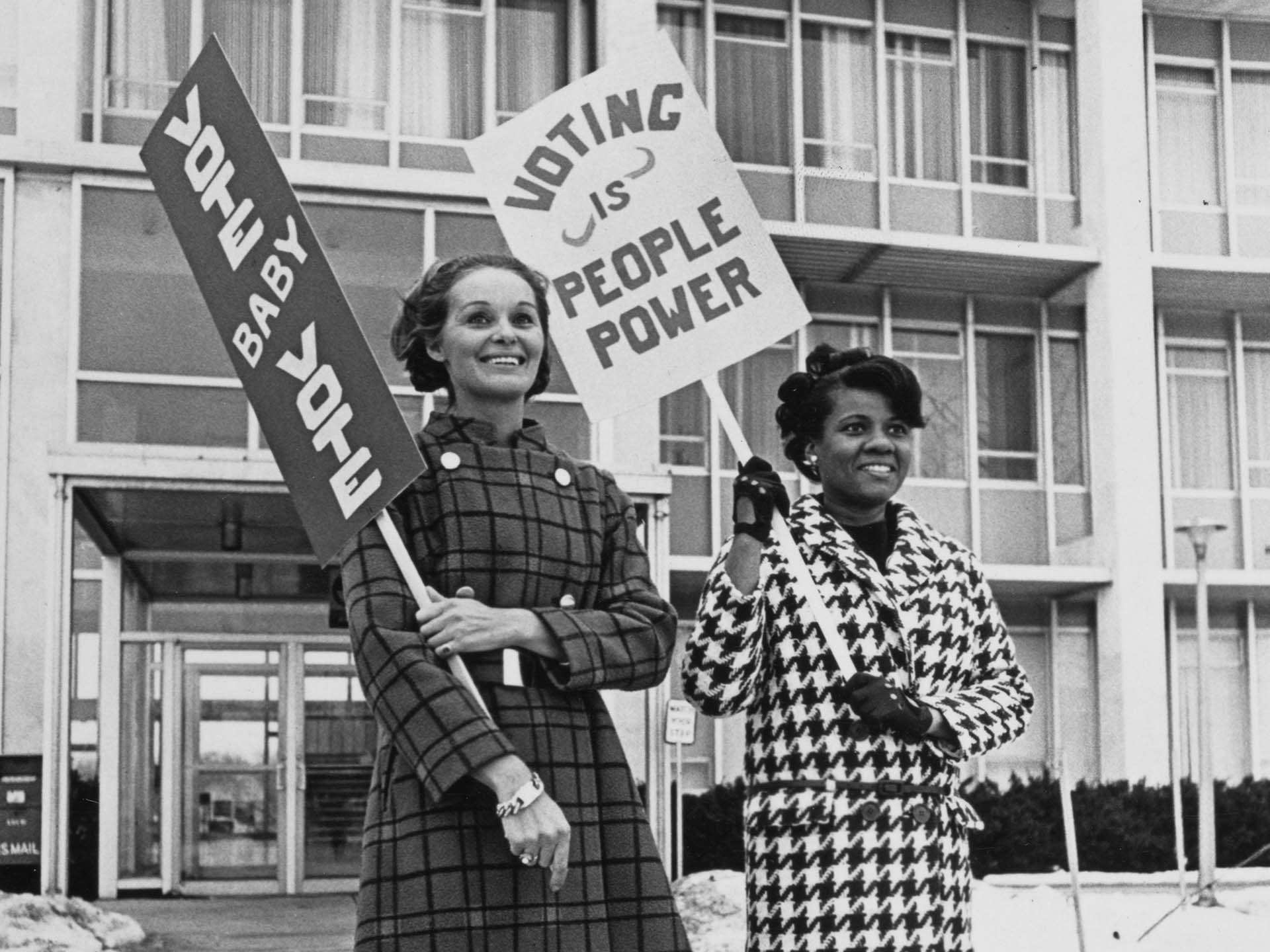
A grant to the League of Women Voters Education Fund reflected an early, durable belief that a healthy democracy depends on informed, engaged citizens. That conviction still runs through the foundation’s work today.

“

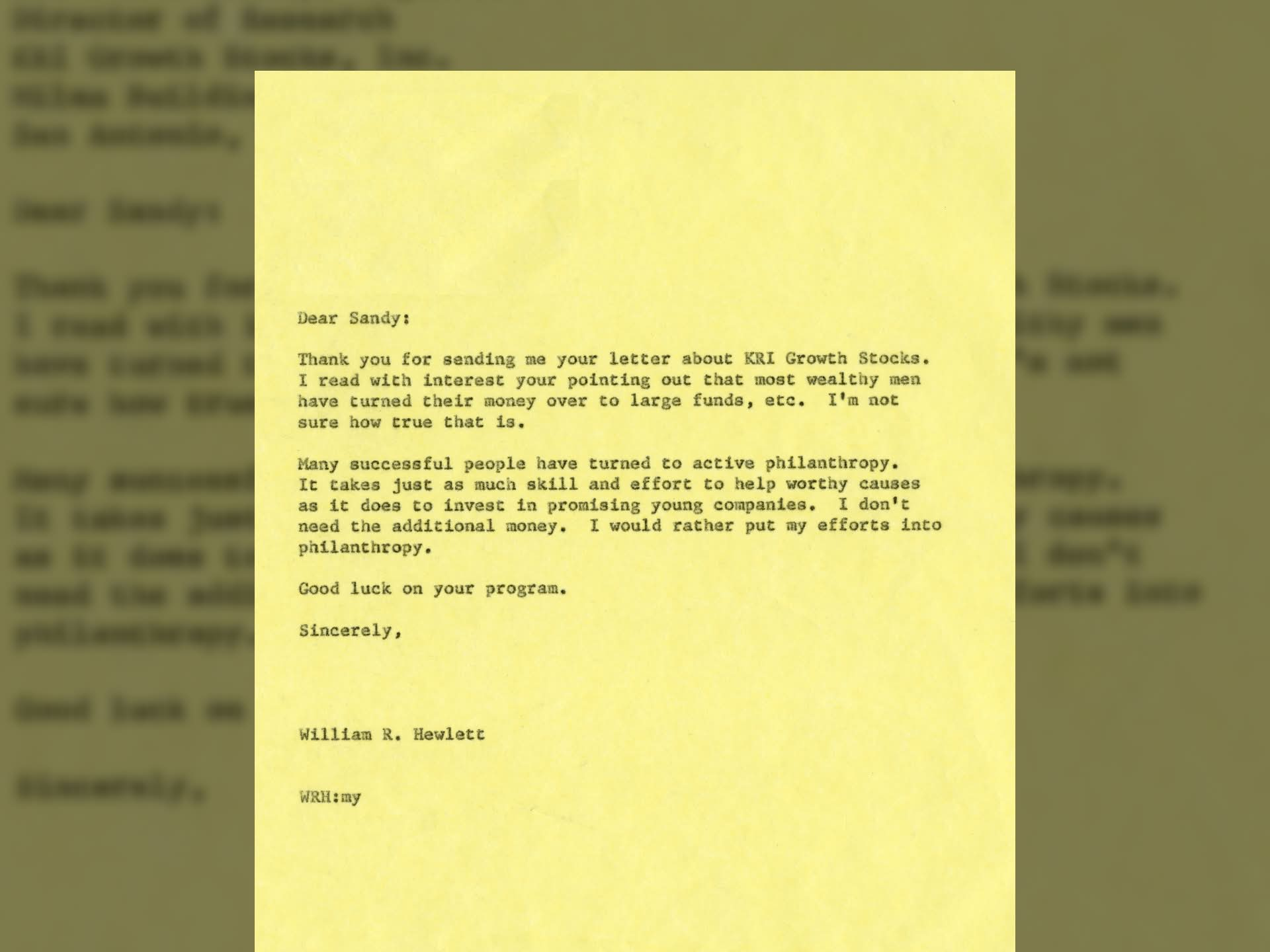
“It takes just as much skill and effort to help worthy causes as to invest in a promising young company.”

Bill Hewlett

1974

A professional foundation takes shape

The Hewletts believed in healthy institutions as a vehicle for progress, including institutions of philanthropy. To bring rigor into the foundation, they hired John May, who’d built the San Francisco Foundation into a model of civic philanthropy, as executive director.

1975

Poetry reaches Berkeley elementary classrooms

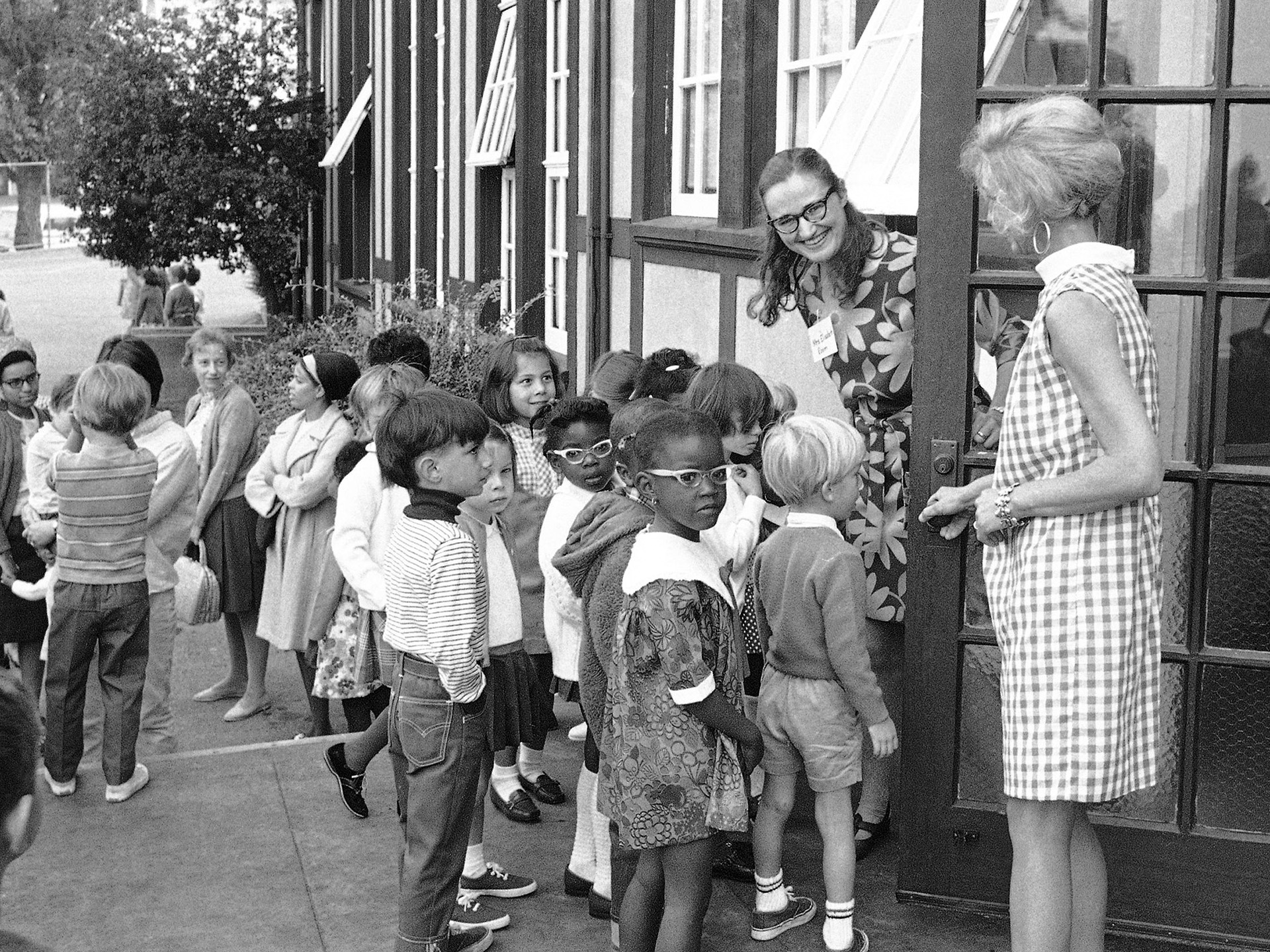
The foundation’s first K-12 grant funded poetry instruction across elementary schools in Berkeley Unified, extending the Hewletts’ belief in the importance of education and creativity from kindergarten through college.

29

Broadening support for California institutions

By 1975, the foundation’s grantmaking reached $5.79 million across 29 organizations, from the California Academy of Sciences to United Way of Santa Clara County — nearly all California-based, reflecting a belief in strong communities.

$15M

Ten years in, the grantmaking takes shape

By 1976, the foundation had distributed $15.3 million to universities, arts organizations, conservation groups, reproductive health organizations, and Bay Area community services — a decade of giving that set the causes the foundation still champions today.

1977
1994

Big ideas take root

Formalizing the Hewlett Way

During this era, the foundation moved from generous impulse to strategic programs, providing flexible, longer-term support for grantees to build lasting solutions to society’s toughest problems — a distinctive approach to philanthropy that remains part of the Hewlett Way today.

1977

A new name and a formal approach to giving

In 1977, Flora passed away; the William R. Hewlett Foundation became the William and Flora Hewlett Foundation in her honor. New president Roger Heyns formalized principles for its giving: general operating support, defined program areas, multi-year funding, and a willingness to take risks on new ideas.

“

We began from the assumption that making ours an effective democratic society, a society whose institutions work, is essential to human welfare not only in the United States but throughout our world.

Roger Heyns, 1977 Annual Report

$175k

bet on underrepresented engineers

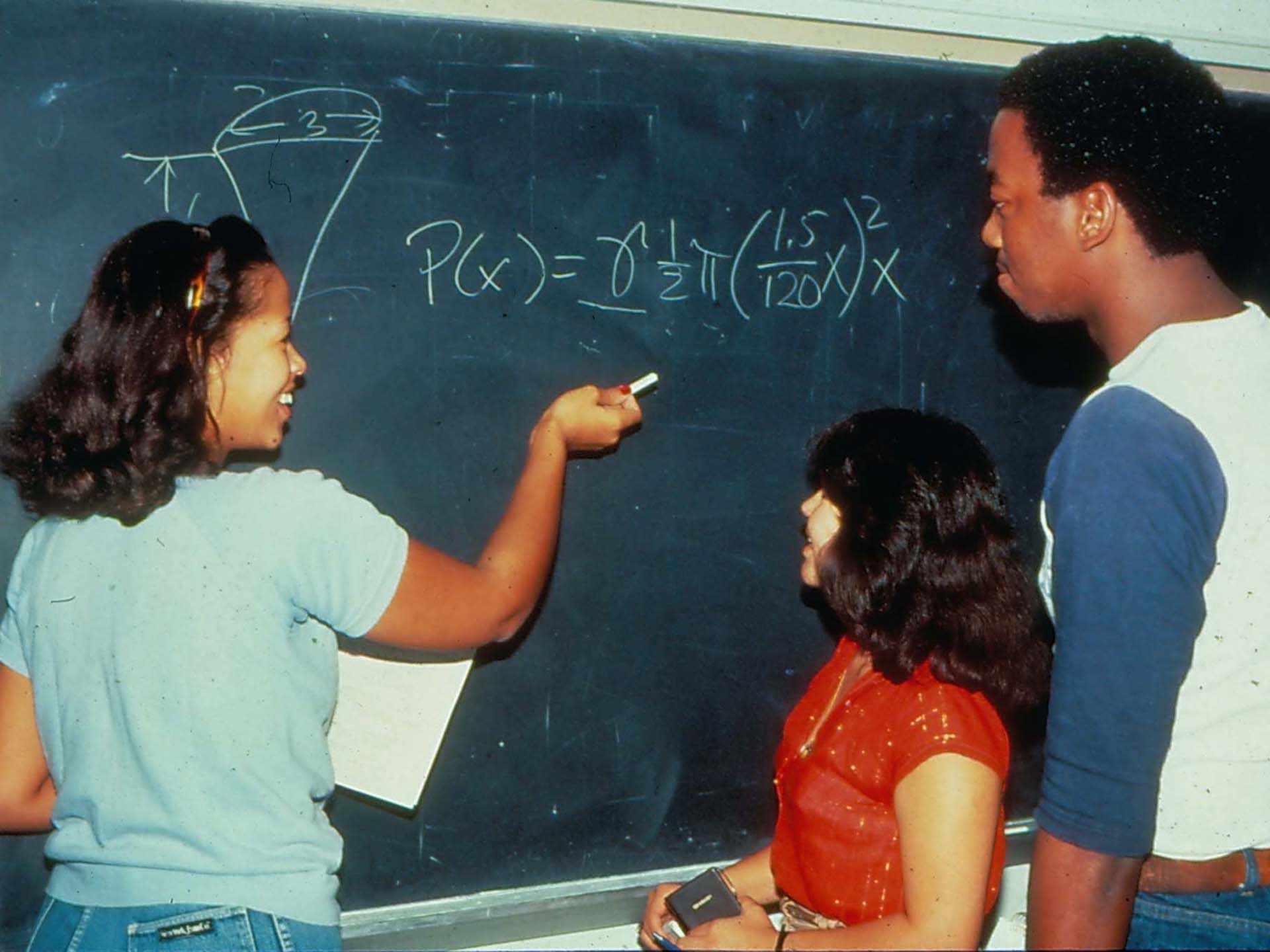
A $175,000 matching grant helped Mathematics, Engineering, Science Achievement (MESA) grow sixfold in six years. By 1985, secure state and corporate funding let Hewlett wind down support, leaving one of the country’s largest STEM programs standing strong.

1978

The foundation adopts term limits

In the 1970s, Bill Hewlett and President Roger Heyns began the practice of term limits for program staff, so the foundation's work would always benefit from new perspectives and up-to-date expertise. It was formalized by the board in 1995 as a six-year limit, then extended to eight years in 2005 — a policy that still stands today.

1980

Performing arts program formalized

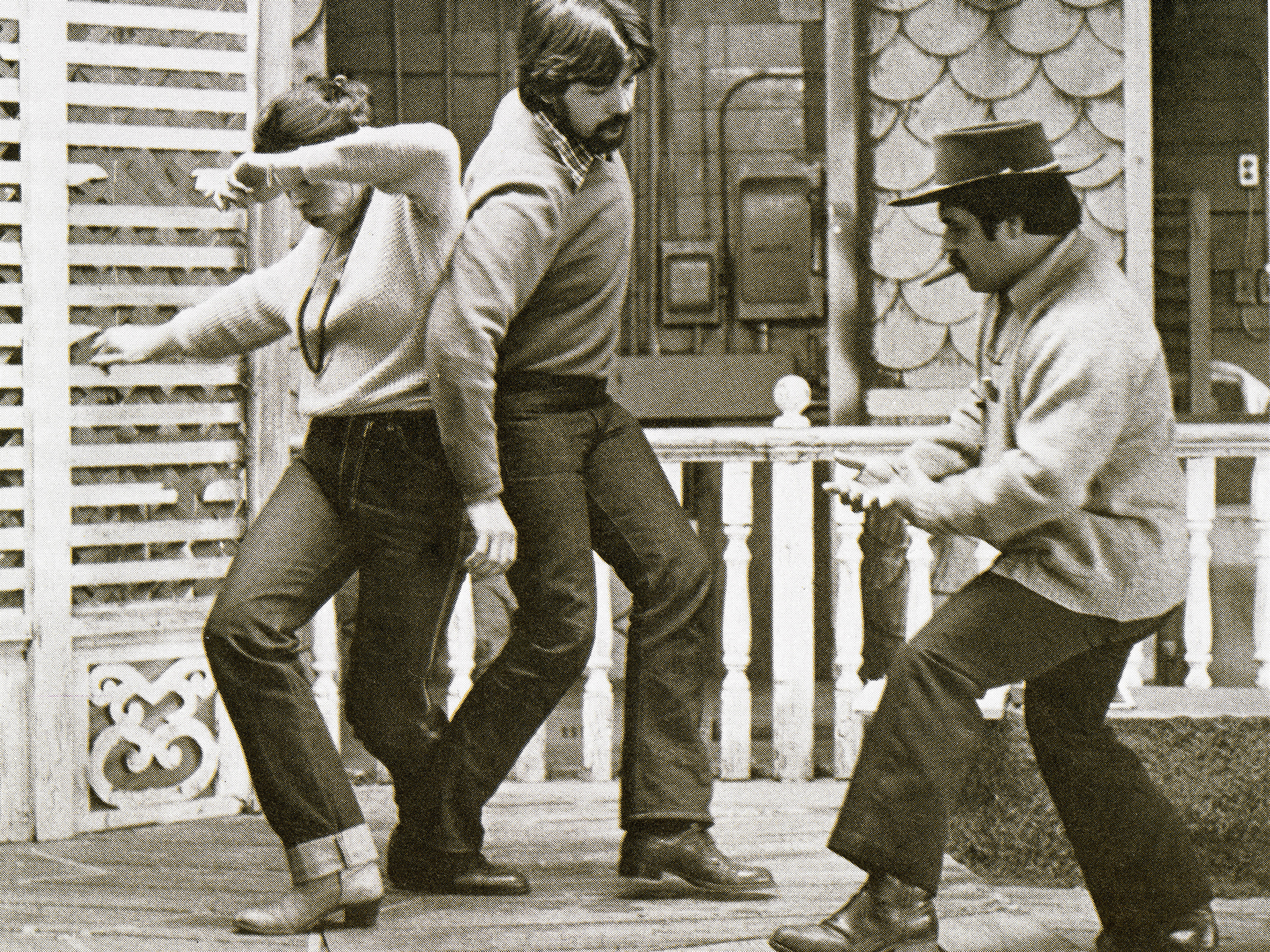
The foundation’s first grants to the San Francisco Symphony and KQED public broadcasting reflected Bill and Flora’s own loves. In 1980, that became a program with staff: dedicated, ongoing support for orchestras, theaters, and community arts groups across the Bay Area.

1982

The foundation looks to Mexico

Believing the civic health of the U.S. was tied to its neighbors, Heyns launched the U.S.–Mexico relations program in 1982, funding study centers at Stanford and UC San Diego that grew into a network of 19 centers shaping two decades of cross-border research.

$10M

A joint commitment to HBCUs

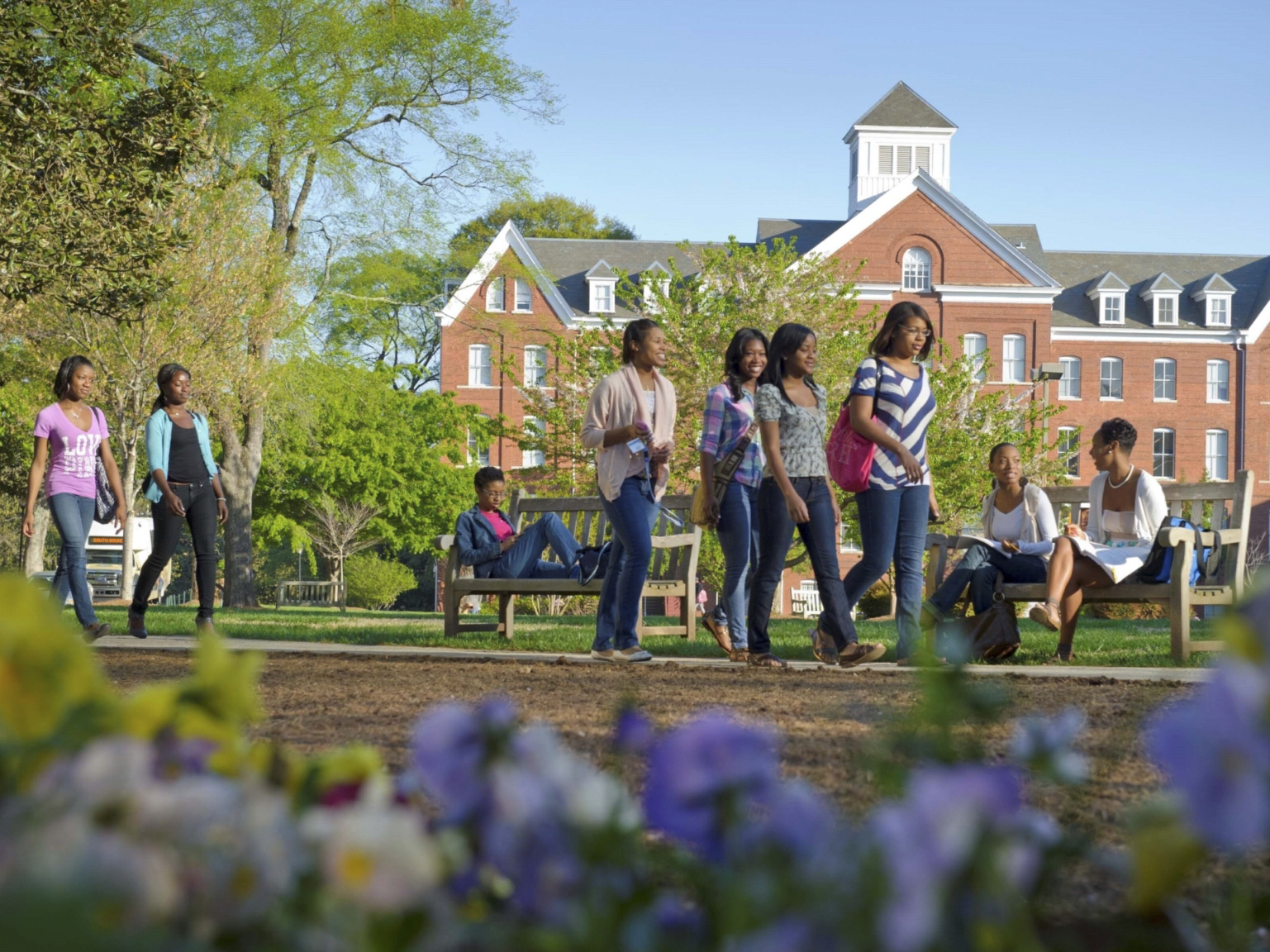
Hewlett joined the Bush Foundation of St. Paul, Minnesota in a $10 million challenge-grant program to support private Historically Black Colleges and Universities — including Spelman College, Tuskegee Institute, and Paine College — in completing their capital campaigns.

1984: Catalyzing Conflict Resolution

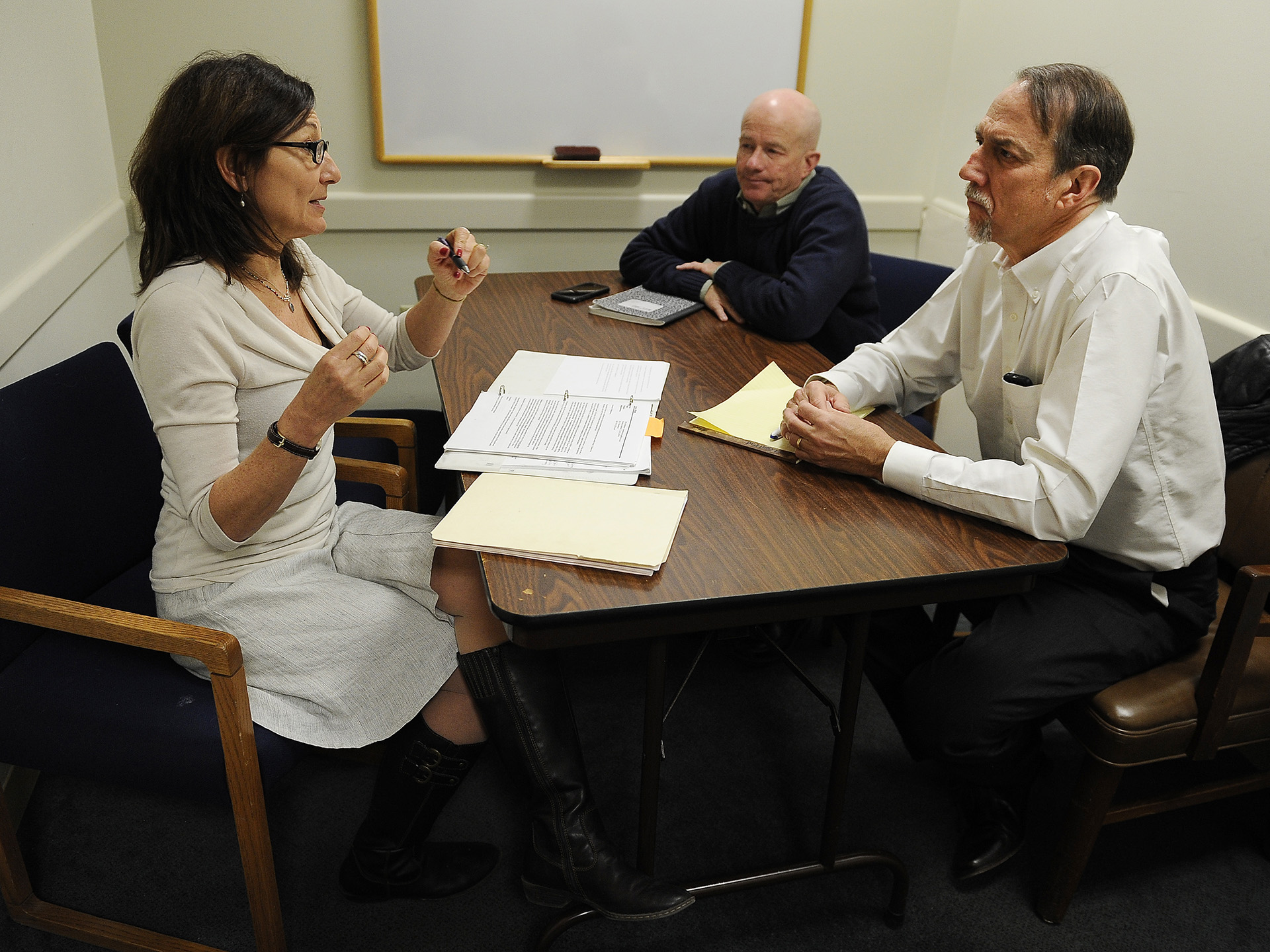
Hewlett began funding a field that barely existed: training mediators to resolve disputes outside court. Twenty years and $160 million later, that work made settling disputes faster and cheaper for neighbors, communities, governments, and nations.

Read the full story

1987

Backing a global push for reproductive care

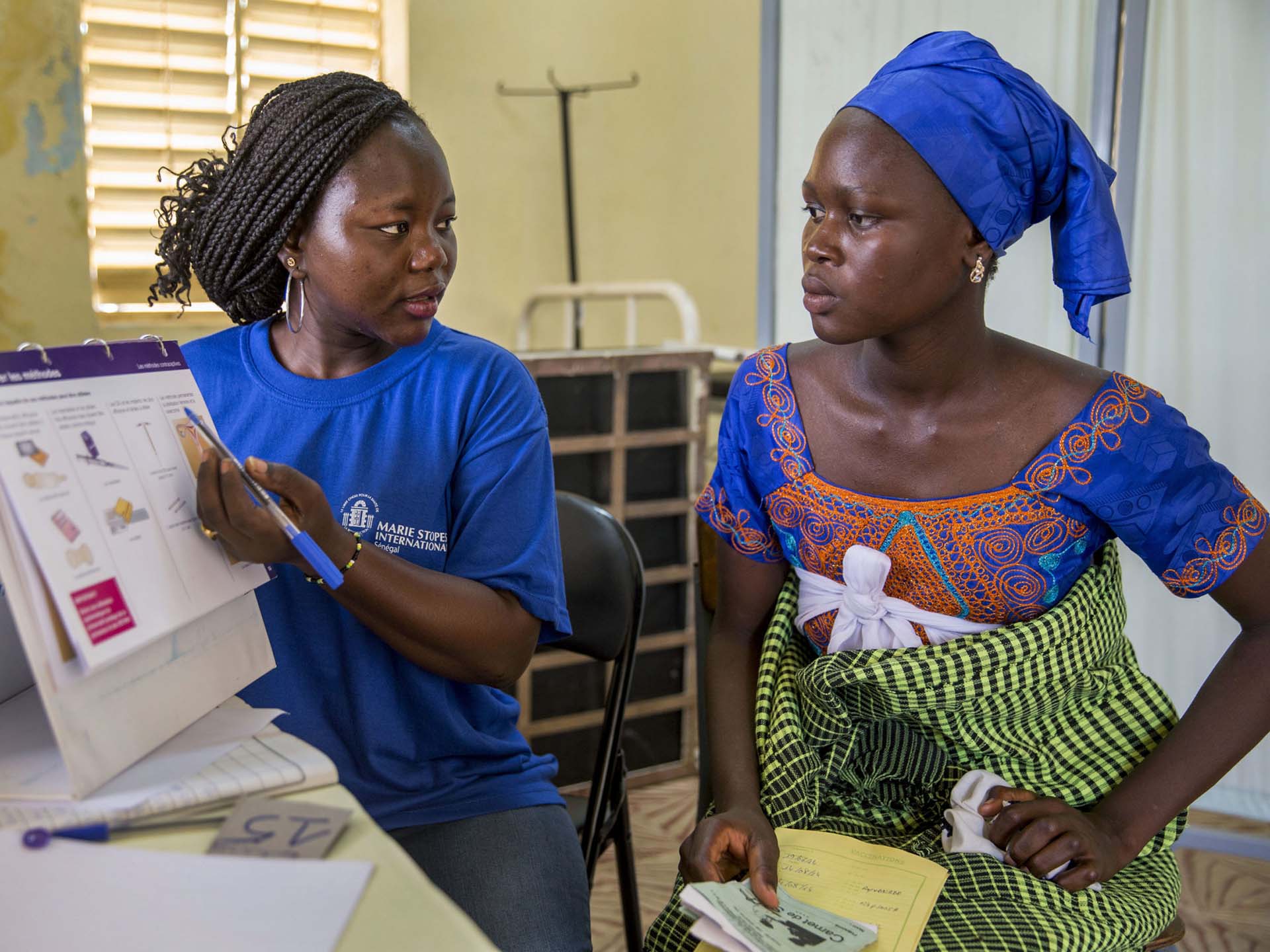
A first general operating grant to U.K.-based Marie Stopes International in 1987 helped expand reproductive health services internationally. Now MSI Reproductive Choices, it serves 100,000 women and girls daily across 36 countries.

1994

Founding the Public Policy Institute of California to support sound policy

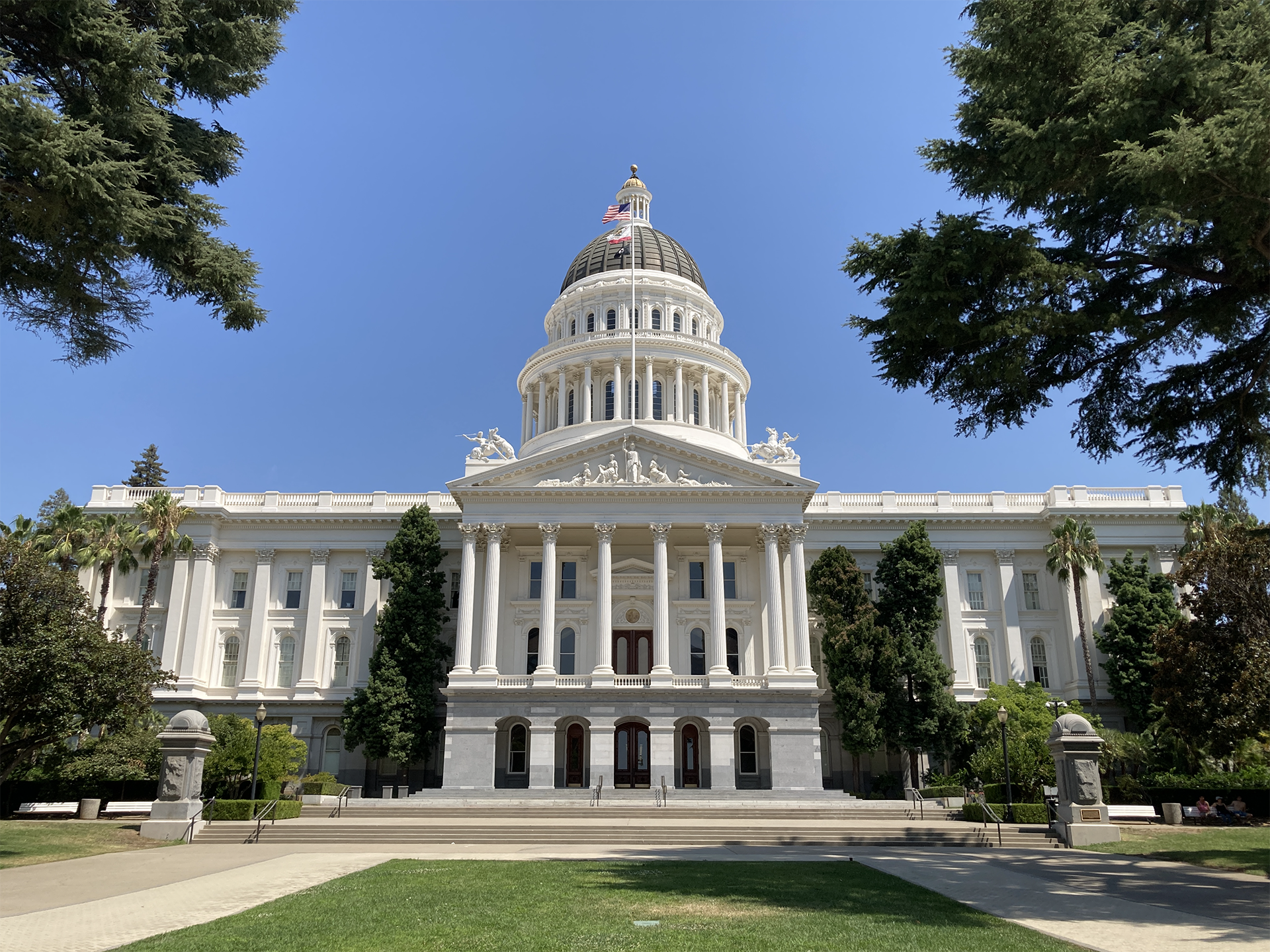
Bill Hewlett joined Roger Heyns and trustee Arjay Miller to found the Public Policy Institute of California, an independent, nonpartisan organization built to bring facts, not ideology, to addressing California’s toughest challenges.

1994

Protecting nature across the West

Recognizing that rivers, wildlife, and public lands don't follow state lines, Hewlett's Environment Program grew beyond California to support communities in conserving the American West at large. That interconnected footprint still shapes the foundation’s conservation work today.

1994

A second generation takes the chair

Walter Hewlett — who founded the institution with his parents — succeeded his father, Bill, as chair of the Hewlett Foundation’s board. He continued serving on the board until 2016. His advice for the work: “If you’re going to work on big problems, you will need to take a long view.”

1994

A global shift toward women’s health and rights

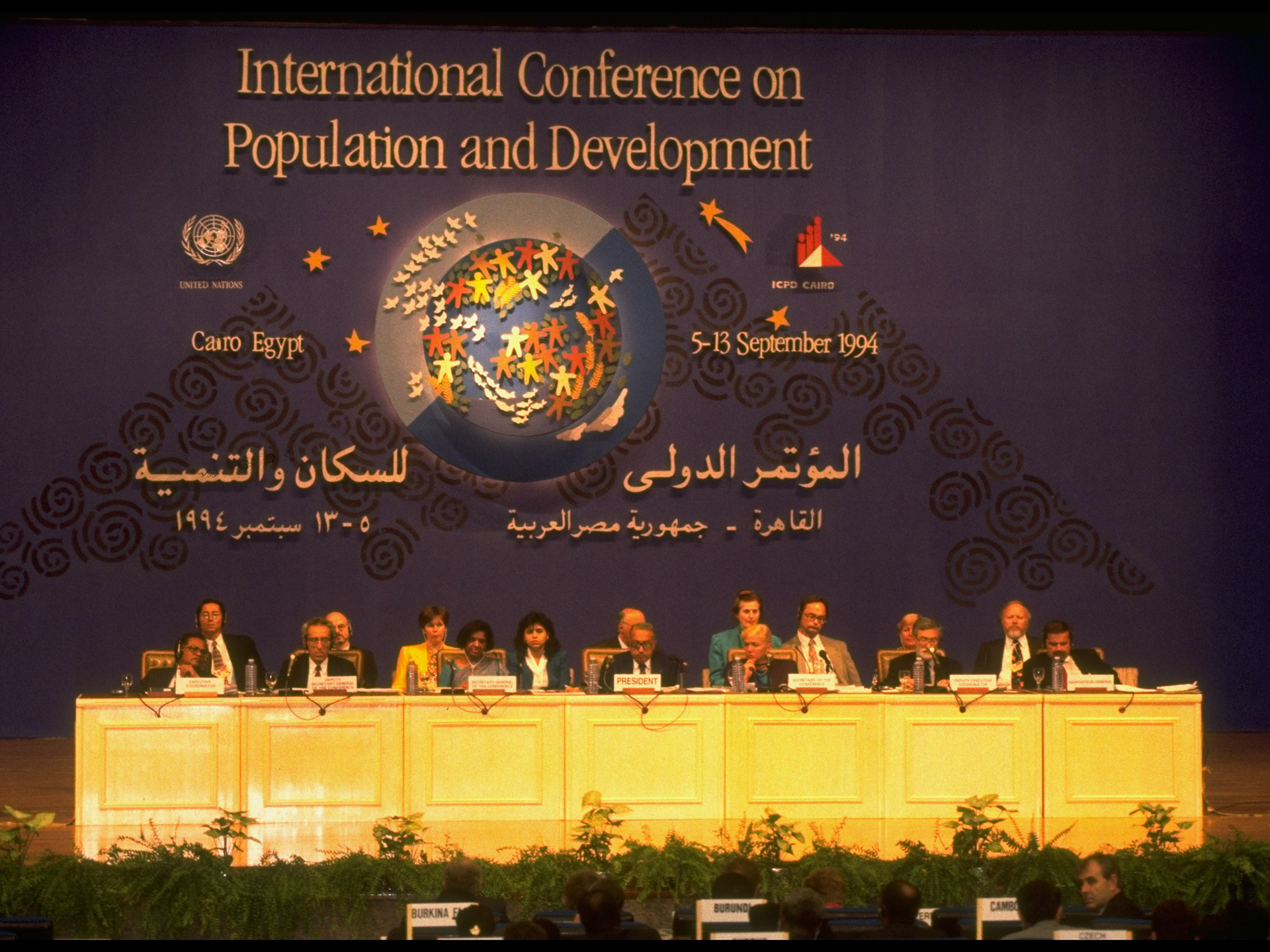
By 1994, Hewlett had supported reproductive health work for decades. In Cairo, 179 countries agreed population policy should center women’s rights and health over demographic targets, a shift already underway at Hewlett and now embraced worldwide.

1995
2013

U.S.-based, globally minded

Guided by a wider well-being

In this era, the foundation deepened a global commitment already underway, boosted by Bill Hewlett gifting a large part of his multibillion-dollar estate to expand funding and serve communities everywhere. Open education resources reached students worldwide. Access to family planning expanded across West Africa. Indigenous-led conservation protected rainforest in British Columbia. And Hewlett helped lead an ambitious effort across philanthropy to address the global challenge of climate change.

4M+

Two decades protecting Western public lands

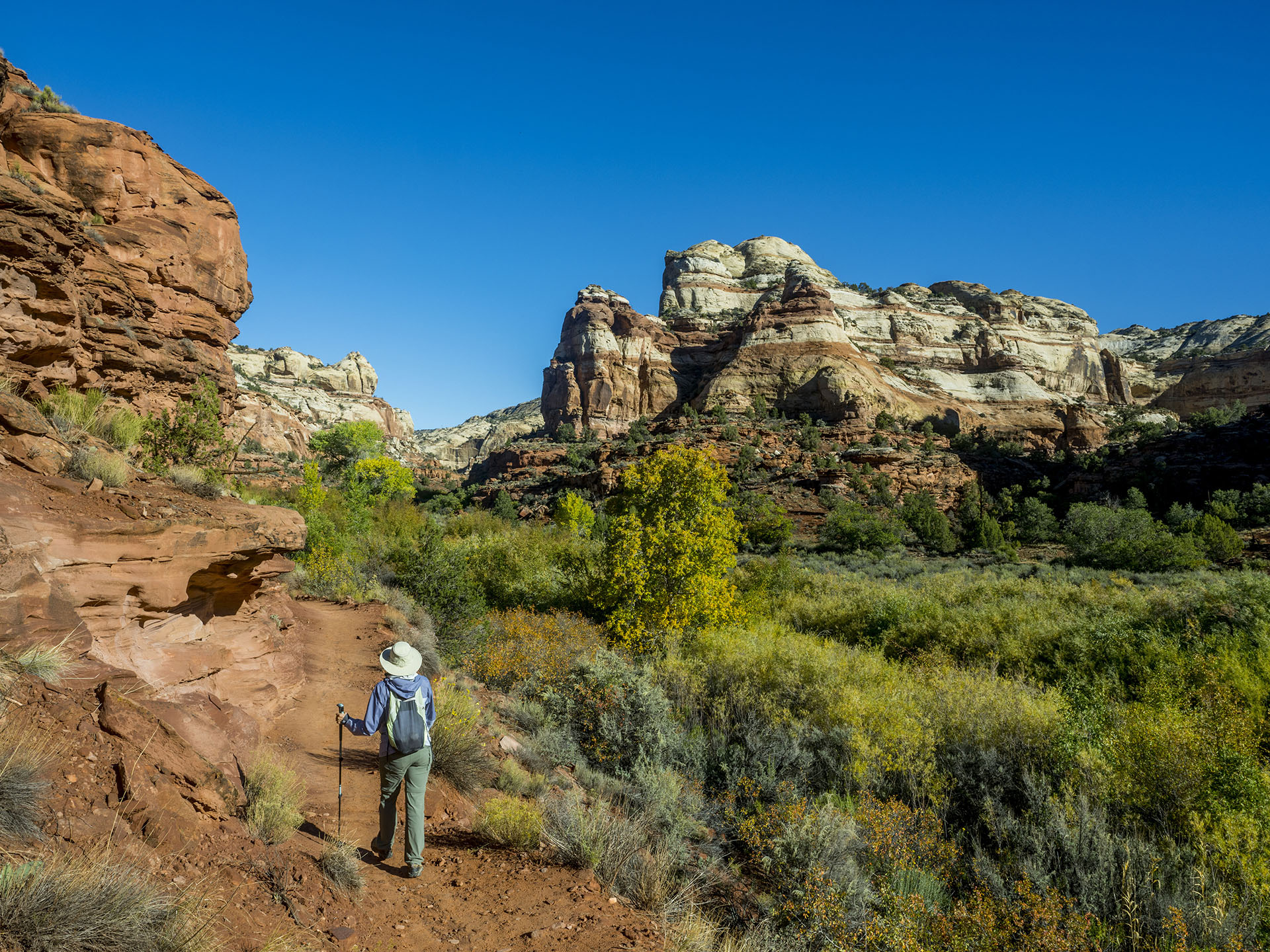
From Grand Staircase–Escalante to the San Gabriel Mountains, Hewlett grantees helped protect millions of acres of Western wilderness, rivers, and cultural sites and widened who has a say in how these landscapes are defined and cared for.

2001: Ensuring education is accessible to all

At the dawn of the Internet age, MIT made its course content freely available to the world, with early funding from the foundation. A new field of open education was born, supported for 25 years by Hewlett to make knowledge open and accessible to millions of people.

Read the full story

2002

A first for green building in California

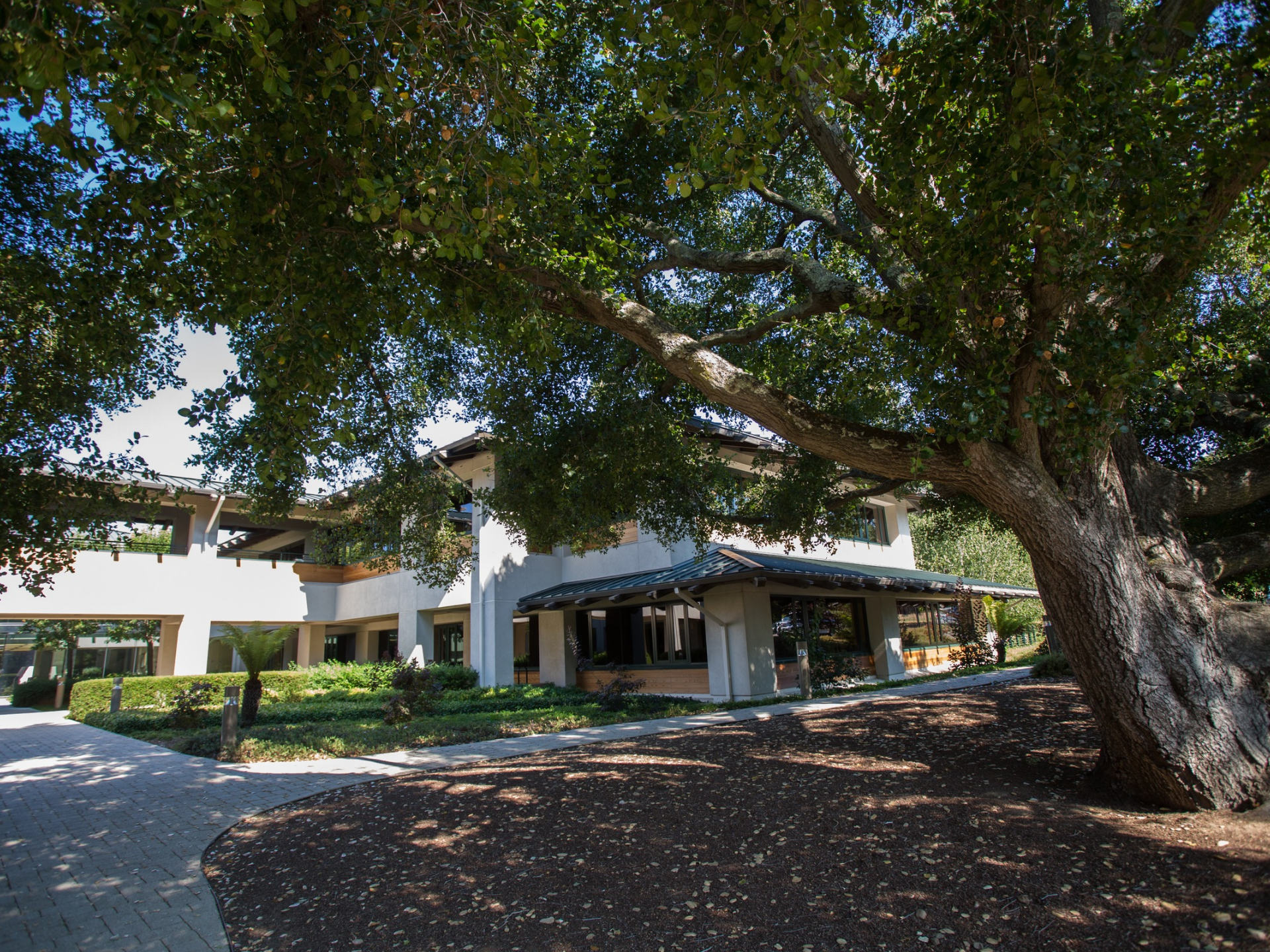
The foundation’s new Menlo Park headquarters became California’s first – and the nation’s fifth – building to earn LEED Gold certification for sustainable design.

2002

Empowering citizens through open information

After Mexico passed a national freedom-of-information law in 2002, Hewlett’s Mexico office began funding transparency work, an early bet that access to government information strengthens civic life. This effort helped shape norms that spread to other countries through groups like the International Budget Partnership and the eventual creation of the Open Government Partnership.

2004

Supporting the capacity of nonprofit partners

Reflecting a belief that stronger organizations deliver more for the people and communities they serve, Hewlett began making grants specifically to support the organizational effectiveness of its grantees. This funding, which the foundation still provides today, helped grantees strengthen their leadership, operations, and planning.

“

"Foundations can work together to generate better ideas and build broader constituencies as well as increase the amount of money available to address common goals."

Hewlett Foundation President Paul Brest, 2005

21M

The Great Bear Rainforest Agreement

In British Columbia, the Great Bear Rainforest Agreement created a world-first model that permanently funds Indigenous-led stewardship of 21 million acres of rainforest. Negotiated by First Nations, the province, environmental groups, and forest companies, it protects five million acres and manages 16 million sustainably, proving that conservation and a working economy can coexist. It remains a model for Hewlett’s conservation efforts in the U.S., with a focus on ensuring that Tribal leadership and a working economy can reinforce one another.

2006

A plan to cut port pollution by 45% in five years

Port and freight pollution was tied to about 2,400 premature deaths a year in California. In 2006, Hewlett grantees helped win a $2 billion Clean Air Action Plan for the ports of Los Angeles and Long Beach. By 2023, diesel soot at Long Beach was down 92% from 2005.

2007

Tracking California’s progress on arts education

A 2007 Hewlett-commissioned study by SRI found that 89% of California K-12 schools fell short of state arts standards, revealing deep funding gaps. The findings fueled a years-long effort to boost arts education. In 2022, California voters approved Prop 28, infusing $1 billion per year in state funding for arts education.

$190M

Investing in locally-led research

Hewlett partnered with Canada's International Development Research Centre to launch the Think Tank Initiative (TTI) in 2008 to strengthen independent policy research organizations in Latin America, South Asia, and Africa, helping build the field of evidence-informed policymaking. TTI became a $190 million multi-donor partnership with the Gates Foundation and government donors from the Netherlands, Norway, and the U.K.

2008

A global effort to address the climate crisis

In 2008, the Hewlett, Packard, and McKnight foundations came together with a bold idea: to mobilize philanthropy to end the climate crisis. Hewlett made its largest grant ever, $500 million, to establish ClimateWorks Foundation to accelerate climate progress by connecting funders and grantee partners worldwide to identify, test, and scale transformative solutions that benefit people and the planet. In nearly two decades, ClimateWorks has granted more than $2 billion to over 850 grantees in more than 65 countries, working with over 80 funders. Over that time, climate philanthropy has grown from a handful of pioneering funders into a global community of foundations, donors, and grantees.

2009

Bringing sexual and reproductive health into the stories people watch

Power to Decide (originally The National Campaign to Prevent Teen and Unplanned Pregnancy), supported by Hewlett, works with entertainment media to integrate reproductive health information into storytelling. When MTV premiered "16 and Pregnant" and “Teen Mom” in 2009, the shows brought viewers evidence-based information and helped accelerate the decline in the U.S. teen birth rate.

2011: Expanding family planning across West Africa

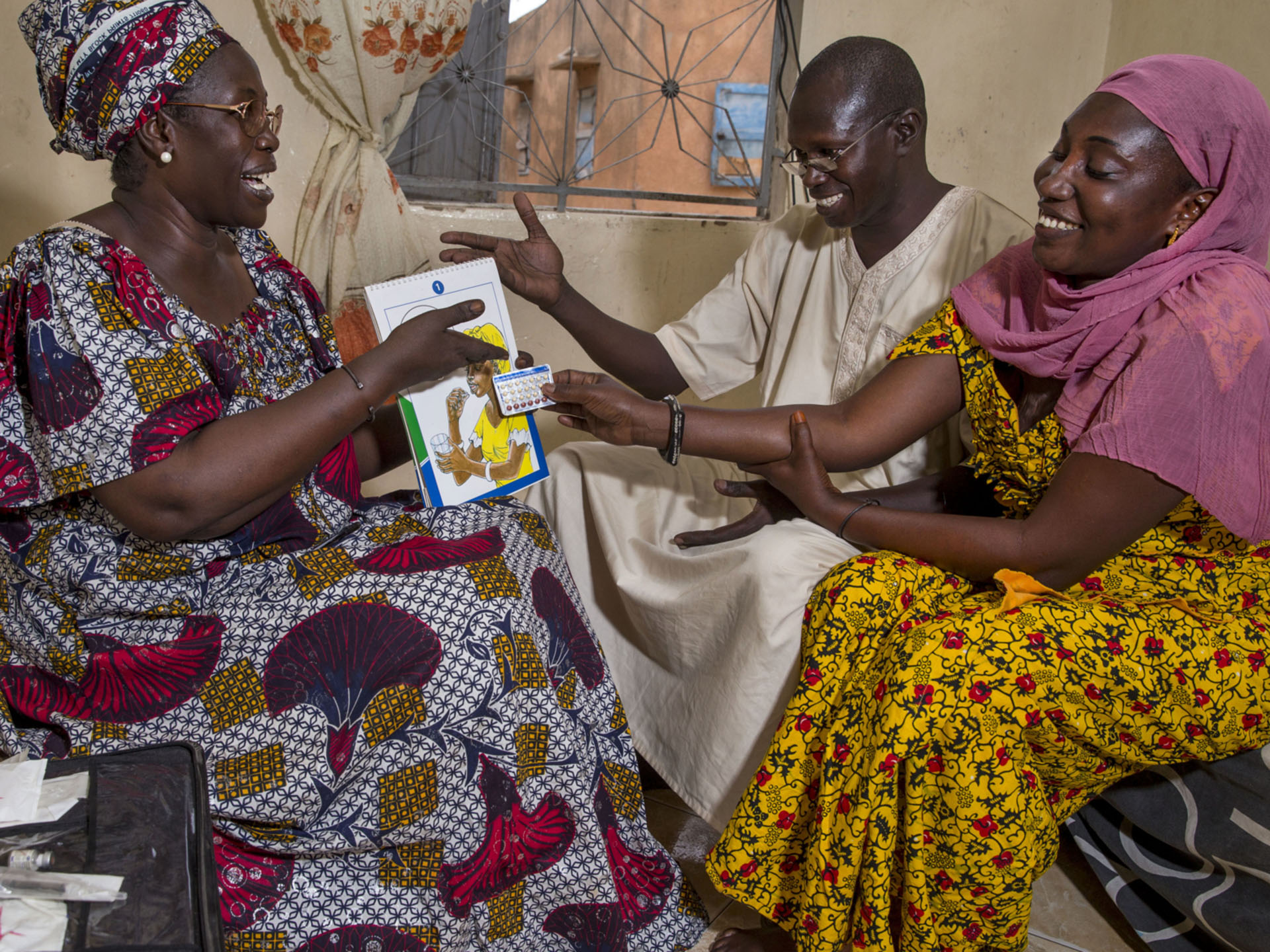
Hewlett joined the Gates Foundation, USAID, and the French government to launch the Ouagadougou Partnership, a coalition of nine francophone West African countries working to expand access to family planning and reduce maternal deaths.

Read the full story

2012

The Effective Philanthropy Group forms

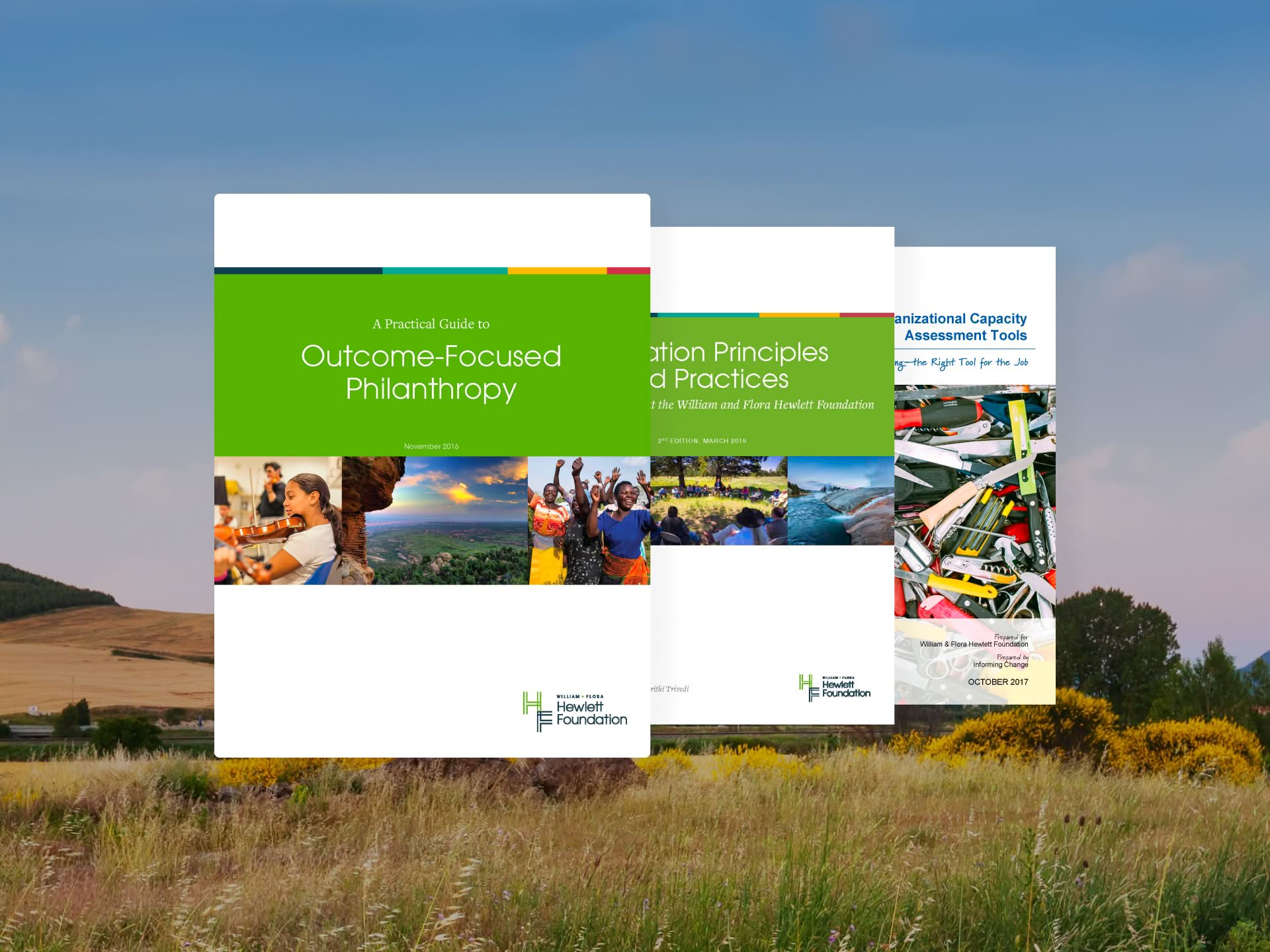
New President Larry Kramer created the Effective Philanthropy Group, turning years of Hewlett’s support to strengthen the capacity of the charitable sector into a part of how the foundation operates. The program develops guidance for the foundation and the field on evaluation, outcome-focused philanthropy, and capacity building.

2013

A more inclusive vision for the arts

Drawing on grantee and community feedback, the Performing Arts Program broadened its portfolio to better reflect the communities and cultures that call the Bay Area home.

2014
2025

Progress through crisis

Big ideas, deeper collaborations

As the world faced democratic backsliding, intensifying climate impacts, COVID-19, and other crises, the foundation deepened commitments, expanded partnerships with peer philanthropies, and launched efforts tackling polarization, cyberattacks, economic insecurity, and racial injustice.

2014

Tackling polarization to strengthen U.S. democracy

In 2014, Hewlett launched the Madison Initiative to help Congress deliberate and compromise across ideological divisions. Over the next decade, the effort expanded to ensure election integrity, laying the groundwork for today’s U.S. Democracy Program.

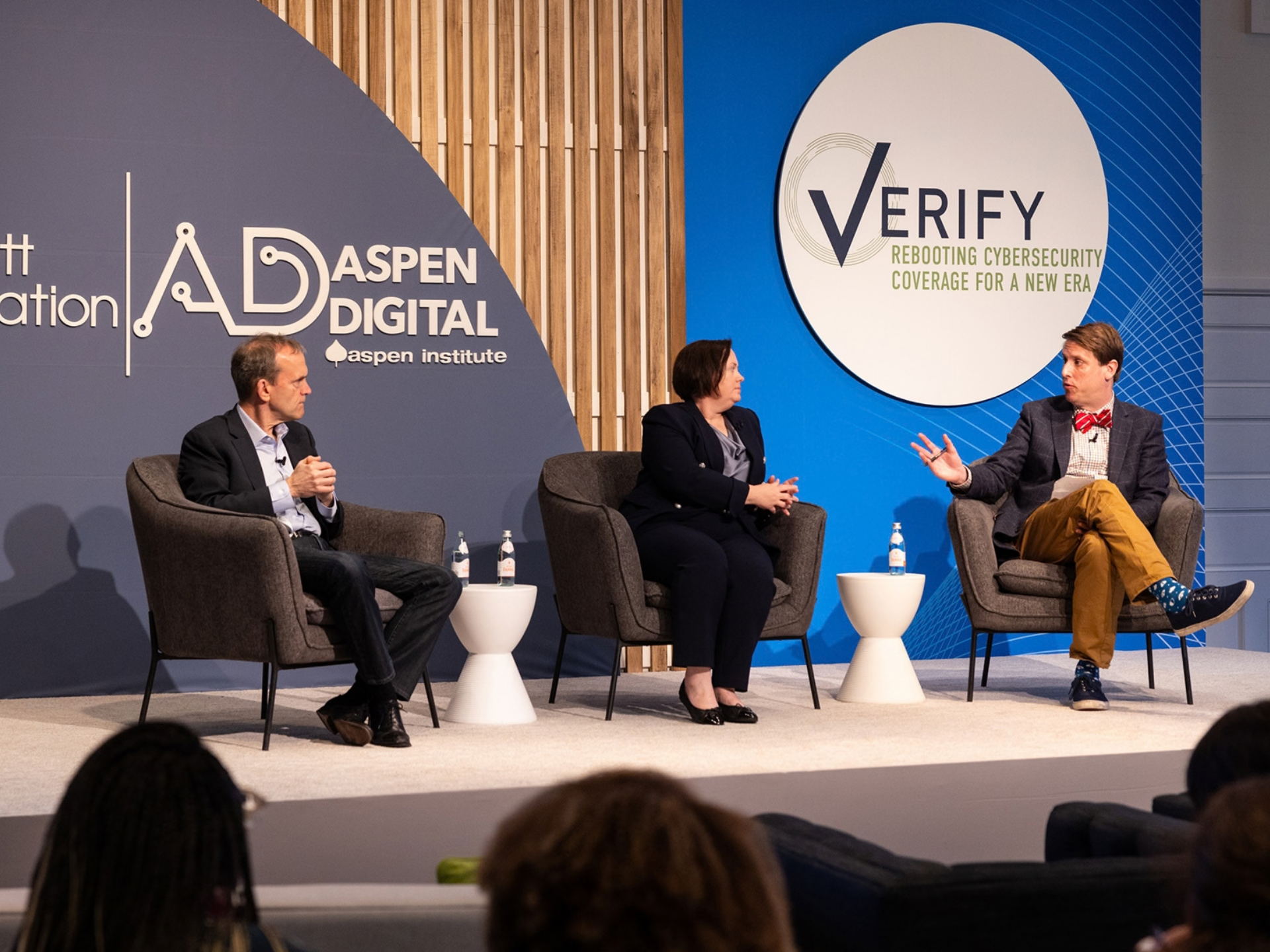
2014: Building the cyber policy field

A $160 million commitment launched the Cyber Initiative in 2014, supporting the researchers, universities, and policy experts who help government and companies protect critical systems from digital threats.

Read the full story

9%

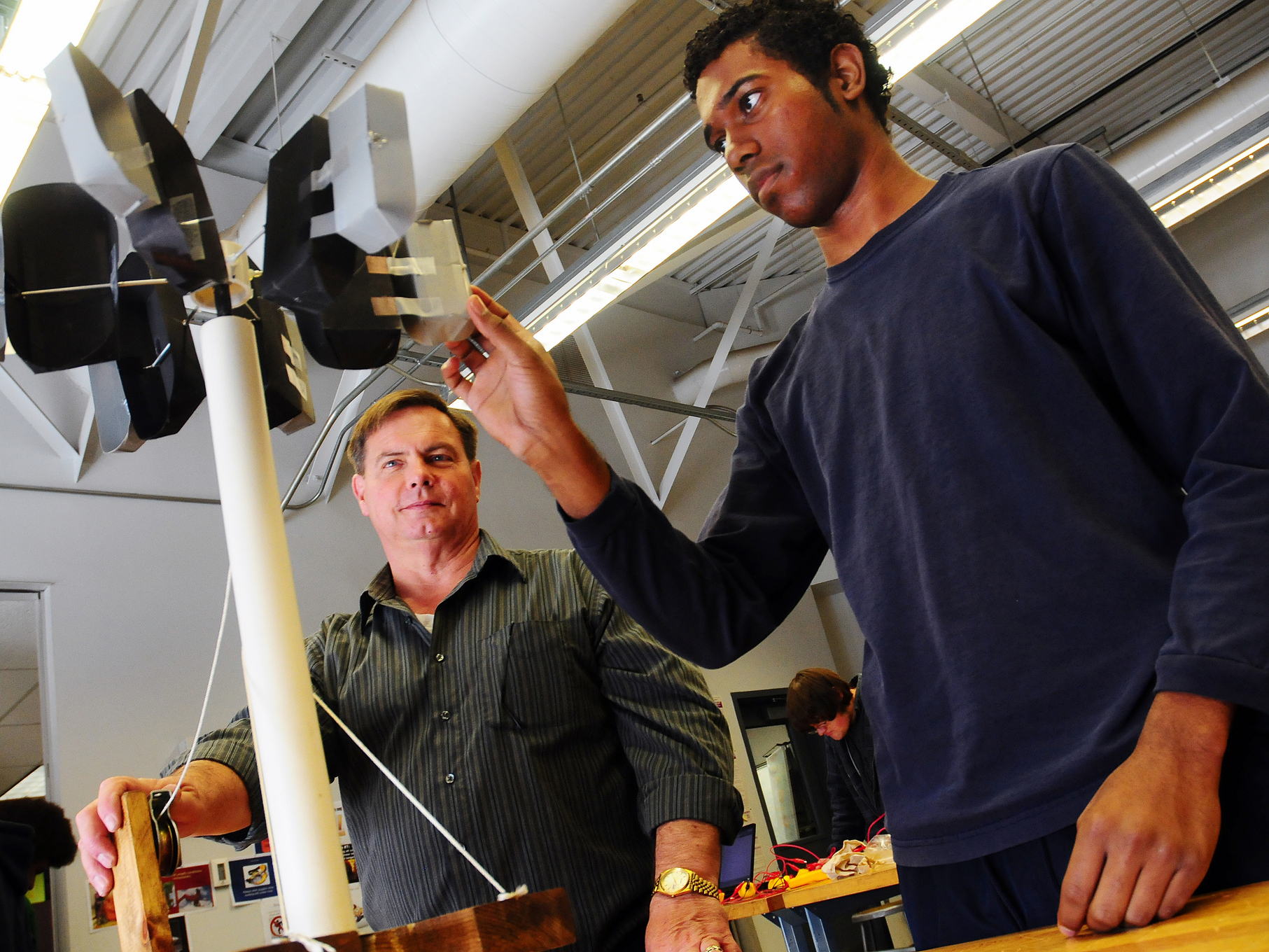
A graduation gap closes for Deeper Learning students

Research shows students at Deeper Learning Network high schools, supported by Hewlett's Education Program, graduated on time at a 9% higher rate than matched peers at comparison schools, and were more likely to enroll in four-year and selective colleges. Results held across income levels, English language learner status, and academic starting point.

$78M

12 years of listening to communities

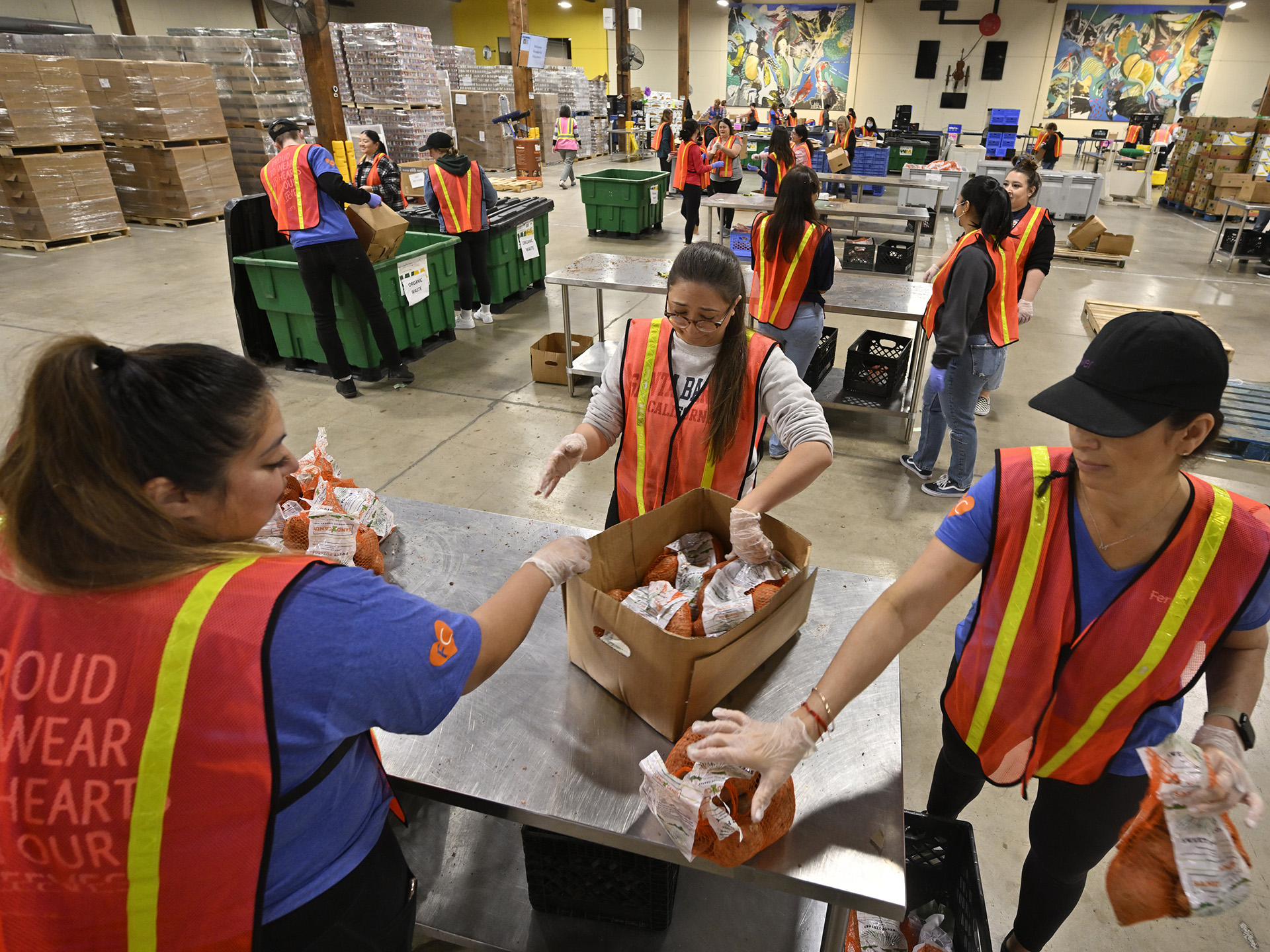
Hewlett co-founded Fund for Shared Insight with the Ford, Packard, and Kellogg foundations and others in 2014 — a $78 million collaborative that spent 12 years building resources and knowledge so funders and nonprofits could hear directly from the people they served, from food banks and employment programs to youth centers.

“

We want to see better data, focused and relevant research, and informed advocacy, so the true value of women’s economic contributions [can be] recognized. ... [We] believe these sorts of changes will help women realize their full potential as citizens, as workers, as parents, and as people.

President Larry Kramer on Hewlett’s new Women’s Economic Empowerment strategy, 2015

2015

A global push for using data to improve lives

As the U.N. set new global goals, momentum built for better, more usable data. Alongside other funders, Hewlett committed $3 million to help launch the Global Partnership for Sustainable Development Data, uniting governments, civil society, international groups, and businesses to use data to tackle the world’s toughest challenges.

2016: A global deal to keep cooling clean

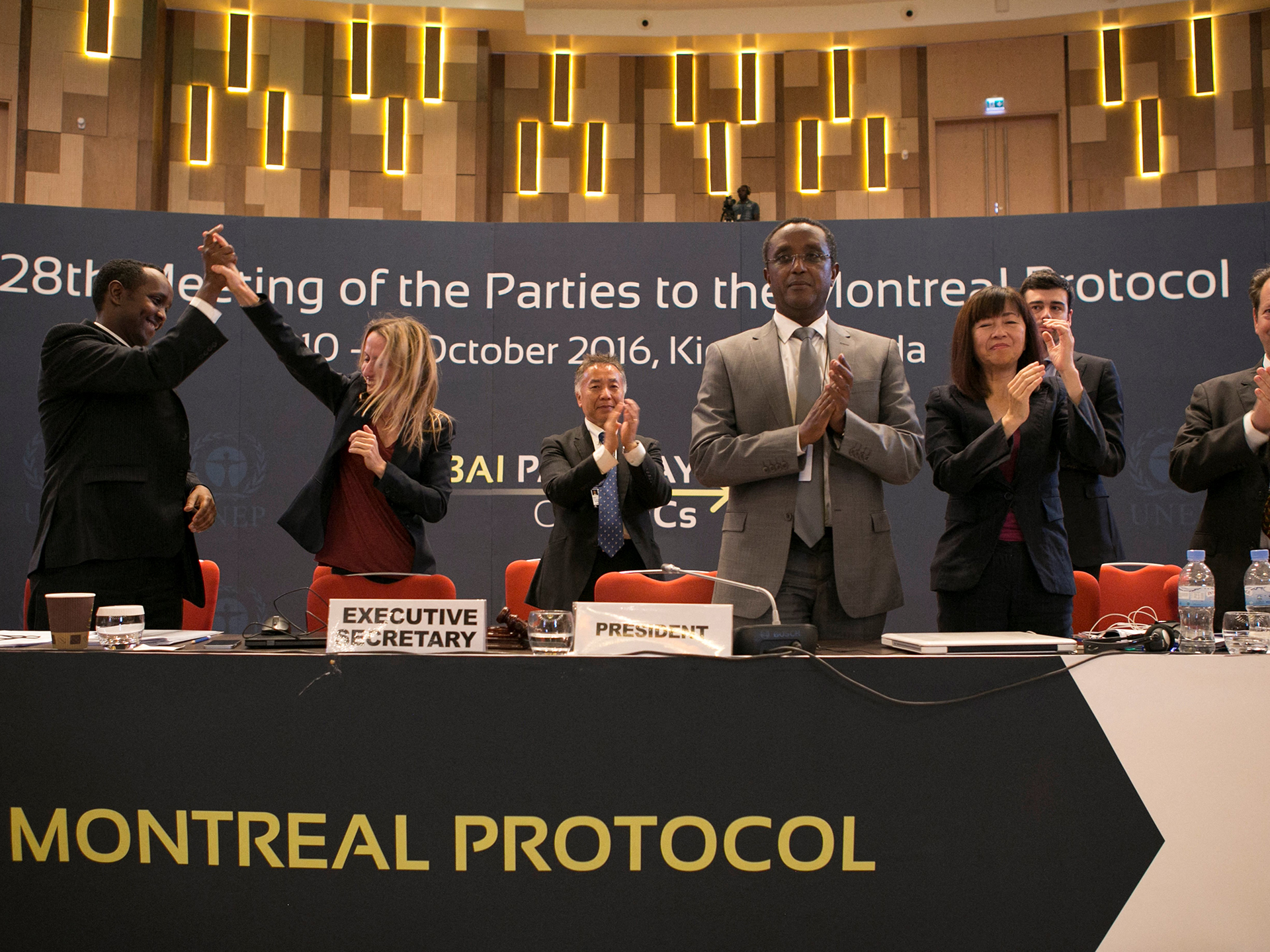
Support for the Kigali Cooling Efficiency Program helped turn the 2016 Kigali Amendment into action, funding the Clean Cooling Collaborative with 18 other charitable donors to give people around the world climate-friendly, low-pollution ways to keep homes cool and food fresh.

Read the full story

2016: Restoring rivers across the American West

Timed to Hewlett’s 50th anniversary, a $50 million grant funded the Open Rivers Fund in 2016, helping communities — Tribes, ranchers, farmers, and conservationists — across the West restore and reconnect more than 6,600 river miles and bring salmon runs back to their historic waters.

Read the full story

2017

Bay Area audiences see 50 new works premiere

An $8 million, five-year grant funded the Hewlett 50 Arts Commissions, giving Bay Area nonprofits $150,000 each to commission a total of 50 new performing arts works, letting local audiences see them premiere first in their own communities.

2019

Empowering student voices

Hewlett invested in organizations elevating students' perspectives and helping them have a say in decisions impacting them. A year later, when schools across the country went remote, engaging student voices was critical to helping schools identify and address challenges.

2020

$150 million over 10 years for racial justice

After George Floyd’s murder, Hewlett launched the Racial Justice Initiative, committing $150 million over ten years to address pervasive racial inequities, including through grants made in partnership with its existing programs.

2020

Rethinking how the economy serves society's needs

Hewlett committed $50 million over five years to launch the Economy and Society Initiative, funding economists, legal scholars, and think tanks from left, right, and center to advance new ideas about how the economy can work better for everyone.

2020

Helping communities and grantees weather COVID

When COVID-19 hit, Hewlett loosened restrictions on grants, adjusted deadlines, and gave $10 million to Bay Area relief through the Silicon Valley Community Foundation. An emergency technical assistance program matched more than 100 grantees with financial advisors. In 2021, $17 million in adaptation grants helped 34 Bay Area arts organizations rework their operating models and survive.

2021

Funders join forces to tackle climate change

Established in 2021 with support from leading philanthropies, the Global Methane Hub (GMH) works to accelerate reductions in methane, a powerful superpollutant responsible for nearly a third of global warming. Since its launch, GMH has provided more than $362 million in grants to over 230 organizations worldwide, advancing solutions across energy, agriculture, and waste. By the end of 2025, 161 countries had incorporated measures targeting major methane sources into their national climate commitments, surpassing GMH's 2030 target of 150 countries. Through strategic grantmaking and partnerships, GMH has also helped catalyze methane mitigation measures across more than $8.7 billion in approved development finance investments between 2023 and 2025, demonstrating the power of philanthropy to mobilize financing and accelerate climate action at scale.

2021

Speeding the shift to electric vehicles

Convened by ClimateWorks Foundation and with Hewlett as a founding supporter, the Drive Electric Campaign brings partners together worldwide to accelerate the shift to zero-emission road transport for the benefit of climate, health, and local economies.

2022

Safeguarding reproductive health care

When the Supreme Court's Dobbs decision overturned Roe v. Wade, Hewlett accelerated a shift that had already started, funding state and local reproductive justice organizations to better ensure people could maintain access to reproductive health.In 2023, after two decades of advocacy and evidence-building by Free the Pill — a coalition spearheaded by Hewlett grantee Ibis Reproductive Health —  the FDA approved the first over-the-counter birth control pill, leading to a groundbreaking advancement in contraceptive access in the United States.

2023

Ensuring clean energy investments become economic engines for communities and workers

After historic U.S. federal climate and infrastructure laws passed, Hewlett helped establish Invest in Our Future in 2023, a $250 million pooled philanthropic fund working to remove barriers to deployment and ensure those investments build a brighter economic future for communities and workers. 

2025

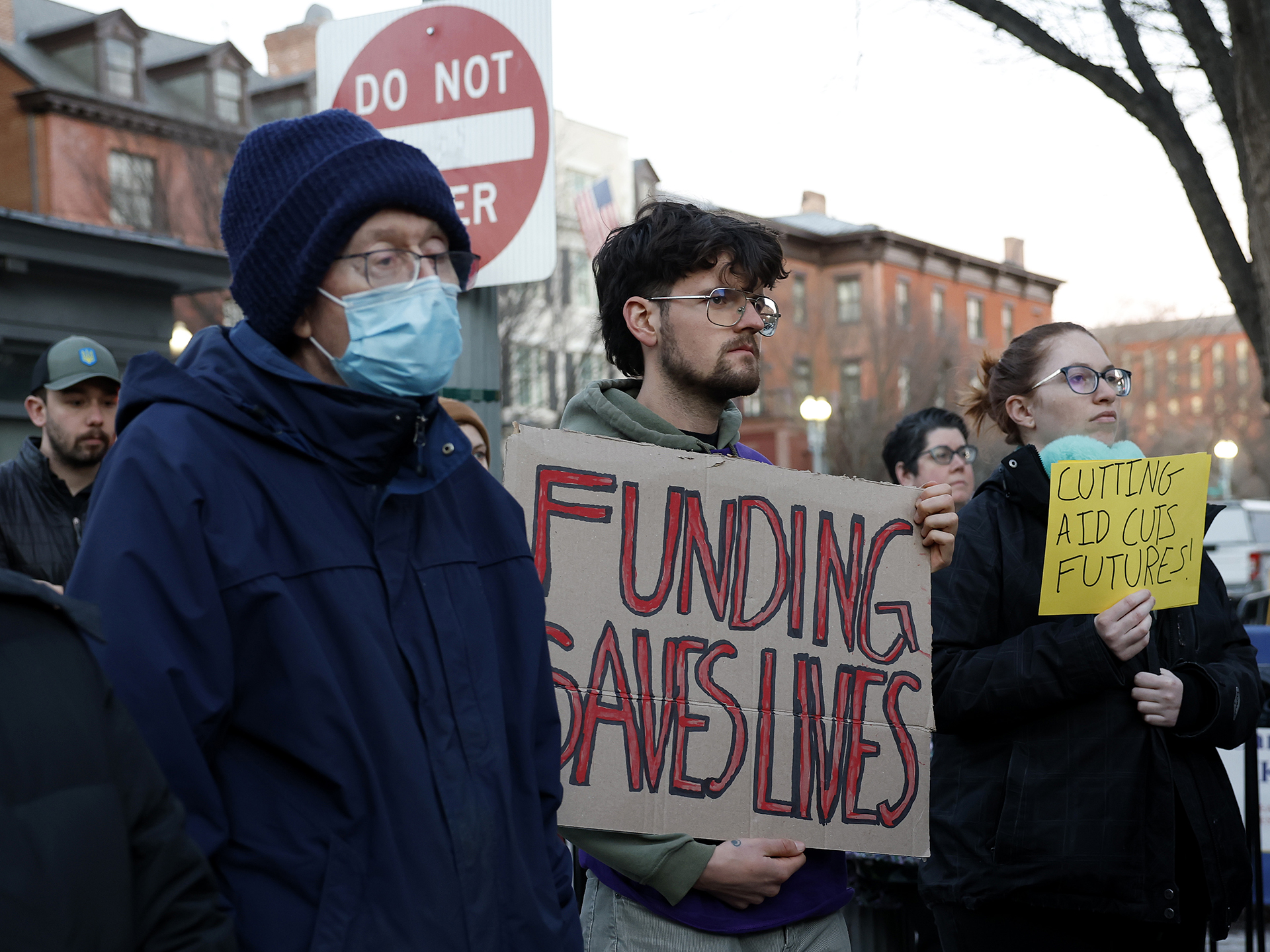
Supporting a sector under pressure

As funding cuts strained nonprofits around the world, Hewlett accelerated $50 million in payments to existing grantees and launched a technical assistance fund that reached nearly 100 grantees. The foundation launched the Future of Giving strategy to support the long-term health of the charitable sector, which has long been under-resourced, to better support nonprofits and the communities they serve.

“

A vibrant, nonpartisan charitable sector is critical to delivering essential services, supporting knowledge creation, and bringing communities together around shared experiences. This requires every philanthropy to have the freedom to make investment decisions and boldly pursue their unique mission and values.

President Amber Miller, 2025

2025

Reimagining global development

As USAID's dismantling shook global development, Hewlett invested more than $3 million in a diversity of efforts to build a more effective, equitable path forward, including grants to the Future of Development Cooperation Coalition, the Funders’ Roundtable on the Future of Development, AidData, and the West Africa Civil Society Institute (WACSI).

Looking Back to Look Ahead

Adapting for a
thriving world

Sixty years in, the world is changing fast. The Hewlett Foundation is staying true to its long-term values, renewing its commitments to its core programs, and experimenting with new ways of working to address themes that will shape the future across its issue areas: responsible technology, a shared civic life, and a thriving economy.