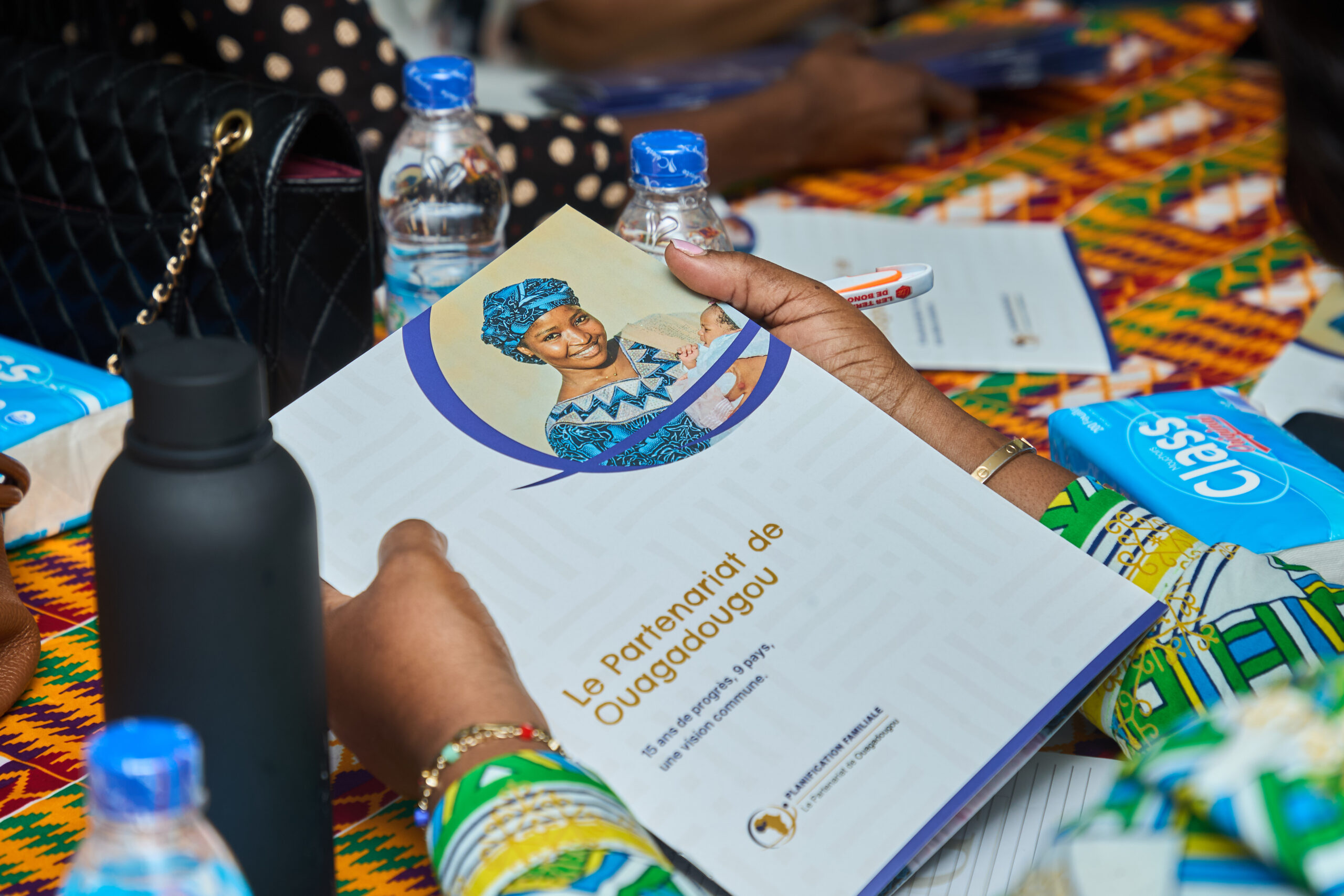
Fifteen years ago, a woman in Francophone West Africa who wanted to talk about family planning often couldn’t say those words. “You had to use the term birth spacing to be listened to,” says Marie Ba, who has spent more than a decade working on reproductive health across the region, where at the time only 11% of women in these nine countries used a modern method of contraception.
Since 2011, the nine countries that make up the region (Benin, Burkina Faso, Côte d’Ivoire, Guinea, Mali, Mauritania, Niger, Senegal, and Togo) have added more than four million new users of voluntary family planning through the Ouagadougou Partnership (OP), bringing the regional total to roughly seven million. The next goal is 13 million users by 2030.
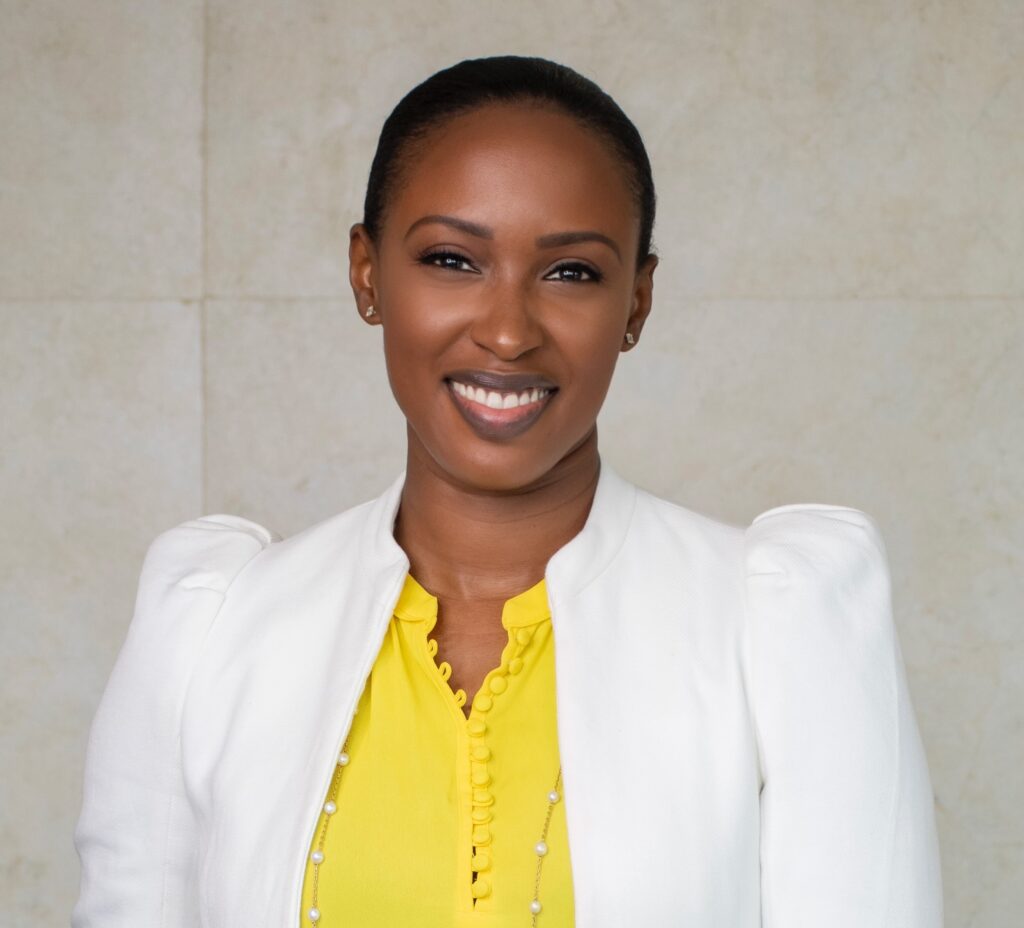
As director, Marie Ba has overseen the Ouagadougou Partnership Coordination Unit (OPCU) since 2020. In this interview, Ba reflects on how the OP’s work has helped improve people’s lives across West Africa.
The partnership’s next target is 6.5 million additional contraceptive users by 2030, to reach a total of 13 million users in the region. What would hitting that number require in reality, and what would it mean for women and young people on the ground in the nine Francophone West African countries?
Reaching 6.5 million additional users by 2030 is ambitious, but it’s achievable if we accelerate what already works and adapt it to today’s realities.
Our nine countries have made real strides over the past 15 years. Most doubled their contraceptive prevalence rates in the partnership’s first decade. But hitting the 2030 target means going beyond business as usual, in three ways.
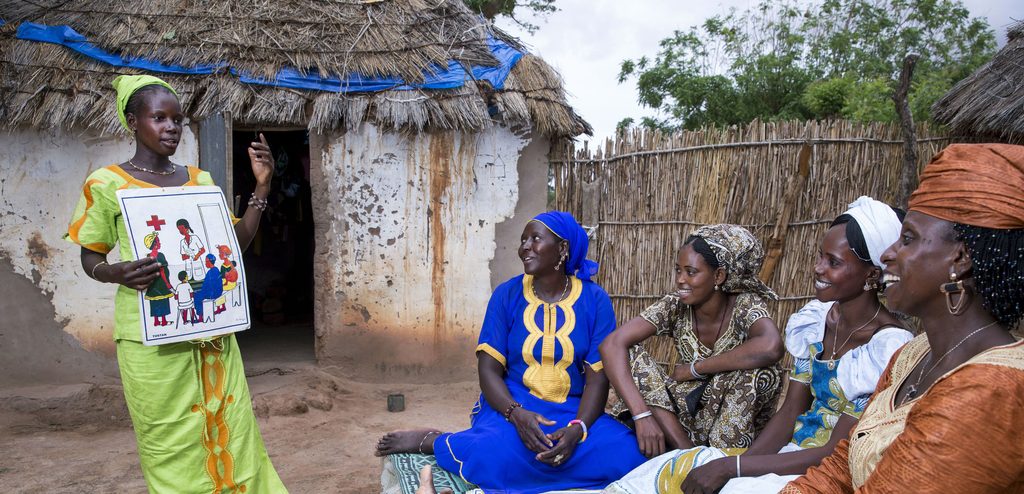
First, we need to expand access in rural, underserved, and crisis-affected areas, largely through task shifting: training community health workers and lower-level providers to deliver a wider range of family planning services, so women and young people don’t have to travel hours to reach a clinic.
Second, we need stronger domestic financing. Many countries have created or expanded dedicated budget lines for family planning. The next step is making sure those commitments are fully funded and executed year after year, not just announced. Sustainable progress can’t rely primarily on external partners.
Third, we need to sustain and deepen political will, even as countries face competing demands, including education, food security, and economic pressure. And we can no longer think of family planning as a service delivered only in stable settings. Many OP countries, especially in the Sahel, are facing insecurity, displacement, and climate shocks. Continuity of care in fragile settings will be essential if we’re going to reach 2030 goals.
If we succeed, the difference will be profound. A young woman will access quality, voluntary family planning in her own community, without traveling long distances or facing stigma. An adolescent will get accurate information and youth-friendly services that let her make informed decisions about her own future.
Reaching 13 million users is not about a statistic. It’s about ensuring that 13 million women and girls can exercise their right to make informed choices about their reproductive lives.
Ouagadougou Partnership Director Marie Ba
Is there a specific woman, family, or community whose story has stayed with you that captures what this partnership was built to do?
There are many stories that have stayed with me, but if I had to choose, it wouldn’t be one woman or one family. It would be the young women and men who have become champions for their generation through the OP.
I’ve had the privilege of working closely with our OP Youth Focal Points and the members of our OP Youth Think Tank, young leaders from across our member countries who advocate tirelessly for the health and rights of their peers, often in environments where discussing sexual and reproductive health is still sensitive, even discouraged.
What inspires me isn’t only their commitment, but also their courage. Many began simply wanting to make a difference in their own communities. Today, they’re respected advocates who sit at the same tables as ministers, parliamentarians, technical experts, and development partners. They come prepared with evidence, understand the policy process, and speak with authenticity, because they represent the realities of millions of young people across the region.
I remember one young advocate telling me, “We’re not asking adults to speak for us anymore. We’re ready to speak for ourselves.” That sentence has stayed with me because it captures the transformation we’ve witnessed through the partnership. These young leaders are no longer beneficiaries of programs. They’re helping to design them, improve them, and hold institutions accountable for delivering them.
To me, that’s exactly what the OP was built to do: create an environment where every stakeholder has a voice, where leadership is nurtured from within our own countries, and where the people most affected by decisions are empowered to shape them.
Family planning went from something people avoided discussing across OP countries to a subject aired in front of ministers and religious leaders. What was hardest to change and what shifted the conversation?
Across the partnership, every country had its own sensitivities, but the greatest challenge everywhere was creating spaces where youth, ministers, parliamentarians, and religious leaders could actually engage in an open, evidence-based conversation together.
In the long run, the catalyst was trust, built over years through consistent dialogue, credible evidence, and strong African leadership and voices. The OP didn’t change minds by imposing a narrative. That these discussions now happen openly, in front of ministers, religious leaders, and heads of state, is itself a testament to how far the region has come.
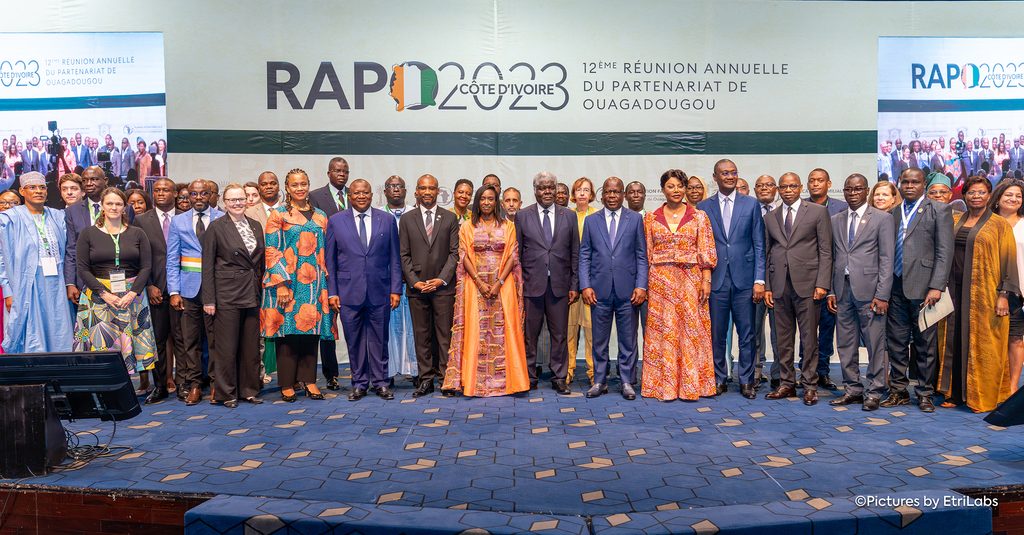
That shift came in waves. First, inclusive dialogue, widening the tent. We formalized the OP as a platform bringing together religious leaders, youth, civil society, ministers from multiple sectors, technical experts, and researchers around a shared objective, rather than asking everyone to agree on every issue.
Second, country leadership. A real turning point came when ministers and local decision makers began championing family planning themselves, framing it as an investment in women’s health, economic development, and the demographic dividend, not simply a health-sector intervention. The OP supported and led countries’ commitments to the FP2030 community (Family Planning 2030 global advocacy network) to improve the family planning environment politically, financially, and programmatically.
Third, evidence coupled with national ownership. We moved away from externally driven messages and focused on country-generated data showing the real impact of family planning on maternal and child mortality, education, and economic growth. Once policymakers could see how it aligned with their own national development priorities, it became a strategic issue rather than a controversial one.
What’s the one thing that changes when governments, religious leaders, and civil society sit down together with the OPCU? What’s the tipping point?
When governments, religious leaders, civil society, young people, and development partners come together with the Coordination Unit, they don’t all arrive with the same perspectives or priorities. That diversity is real, and it’s valuable. What changes is that the conversation moves beyond individual interests toward a shared ambition: improving the lives of women, girls, families, and communities.
People often walk into the room representing their institution or constituency. By the end of the discussion, they leave recognizing that no single actor can achieve lasting change alone. Governments understand the value of community engagement. Civil society gains a better appreciation of the constraints policymakers face. Religious leaders bring perspectives rooted in the realities of families. Young people bring fresh ideas and remind us why these decisions matter for the future. That mutual understanding builds trust, and trust creates action.
Another powerful catalyst is the spirit of emulation that defines this partnership. Our nine countries have created an environment where they learn from one another rather than compete. When one country improves its data collection, strengthens domestic financing, or empowers youth in national decision-making, others ask, ‘How did you do it, and how can we adapt it in our own context?’ Success in one country inspires progress across the region.
When that shared ambition becomes the focus of the conversation, that’s the tipping point. That’s when real change begins.
When a government, religious leaders, and civil society sit at the same table, what’s a moment where that mix changes something real, such as a policy or budget decision?
For me, one of the biggest changes over the past decade has been the emergence of youth as credible, respected partners in policy dialogue. When the OP began, young people were often invited to events to share their experiences, but rarely seen as contributors to policy decisions. We made a deliberate investment in changing that: supporting youth networks to strengthen their technical knowledge and advocacy skills, and creating opportunities for young leaders to participate alongside ministers and religious leaders as informed stakeholders, not observers.
That investment has paid off. Today, youth representatives in several OP countries contribute directly to national family planning technical working groups and help shape national strategies. Looking at our National Family Planning Costed Implementation Plans (CIPs), all nine countries have significantly increased the share of youth-led and youth-oriented activities, with most moving from around 10 percent to 35 percent of their plans dedicated to young people.
I remember discussions where local leaders initially questioned whether young people should be involved in designing adolescent sexual and reproductive health policies. But when youth advocates came prepared with data and a clear understanding of the policy process, the conversation changed. Government officials began to see them not as beneficiaries, but as partners, and that coalition created the momentum for governments to adopt more youth-responsive policies and fund them.
You’ve described the OP as a ‘partnership, not a project.’ What does that balancing act require day to day? Can you point to a moment where local leadership changed a donor’s mind instead of the other way around?
What it requires every day is humility, trust, diplomacy, and constant dialogue.
The OP was built on the belief that the countries themselves must define priorities, and that partners, including donors, must align behind those priorities. That sounds straightforward, but in practice it takes continuous effort. Every day we’re balancing donors with fiduciary responsibilities and strategic priorities, civil society advocating for communities, and young people reminding us where the gaps remain. Our role as the Coordination Unit is to make sure those voices come together around one country-led agenda, even when that means honest conversations. Some donors are eager to support approaches that worked elsewhere, while countries are saying, ‘That’s not our most urgent need right now.’
One example that illustrates this well is how we rebuilt our research agenda. Research priorities in global health have traditionally been shaped by the questions donors wanted answered to guide their own investments. Countries in the OP challenged us to think differently. Directors of Maternal and Child Health asked a simple but fundamental question: ‘Why shouldn’t our research first answer the questions that matter most to us?’ They wanted evidence to help solve their real operational challenges: service delivery in underserved areas, reaching adolescents, quality of care, humanitarian response.
The partnership supported that shift by promoting country-driven implementation research where ministries of health and national research institutions defined the priorities from the outset. The question stopped being ‘What evidence do donors need?’ and became ‘What evidence do countries need to make better decisions for their populations?’ We made those priorities available to donors to help shape their own research agendas. Many were picked up by USAID’s regional health office in Accra for its own research agenda, before the agency was dismantled.
When countries define the questions and the path forward, and partners rally behind them, we build something more valuable than a successful project: sustainable change that countries truly own.
If someone reads about the Ouagadougou Partnership 60 years from now, what’s the one thing about these nine countries you’d want them to understand?
I hope they’ll understand that these nine countries chose cooperation and collaboration around a shared ambition over isolation. The challenges they faced: rapid population growth, high maternal and child mortality, unmet need for family planning, and later, insecurity and climate shocks didn’t stop at national borders. Neither should solutions.
I’d want them to know the OP was never just about increasing the use of family planning. It was about building a movement led by African countries, for African countries, with governments in the driver’s seat, supported by civil society, young people, religious leaders, technical experts, and development partners working toward a common vision.
These countries proved that political leadership, regional solidarity, and shared learning can accelerate progress. When one country found an innovative solution, whether through task shifting, domestic financing, or youth engagement, others could adapt and benefit from that experience. That spirit of mutual accountability became one of the partnership’s greatest strengths.
Most importantly, I’d want people to understand that behind every policy, every budget line, and every statistic were millions of women, men, and young people whose lives were transformed because they had the opportunity to make informed, voluntary choices about their reproductive health.
When nations unite around a shared purpose and place people at the center of development, especially women and young people, they can change the trajectory of an entire region.
Ouagadougou Partnership Director Marie Ba
What is your message to the world today?
It’s simple: invest in women, invest in young people, and trust countries to lead their own development.
The experience of the OP has shown that sustainable change doesn’t come from imposing solutions. It comes from listening to the countries, supporting local leadership, and building partnerships based on trust, mutual accountability, and a shared vision.
At a time when the world is facing conflict, climate change, and economic uncertainty, it might be tempting to treat voluntary family planning as a secondary priority. It’s the opposite. It’s one of the smartest investments we can make in healthier families, stronger health systems, gender equality, education, and economic resilience.
We also cannot afford to leave young people behind. Africa is home to the world’s youngest population, and our future will be shaped by the opportunities we create for this generation today. When we invest in their potential and include them in decision-making, they become one of our greatest assets.
Finally, I’d urge the global community not to lose sight of what’s been achieved. Despite insecurity, humanitarian crises, pandemics, and financial constraints, the countries of the OP have kept moving forward because they’ve remained committed to a shared vision and to the women and families they serve.
The world needs more examples of cooperation like this: partnerships built on solidarity rather than dependency, on country ownership rather than external direction, and on the conviction that every woman and every young person deserves the information, services, and freedom to make informed choices about their future. That’s not only an investment in individual lives. It’s an investment in a more prosperous, more resilient, more equitable world for all.
Read the feature story: Supporting family planning in West Africa